




LIGHT & DARK
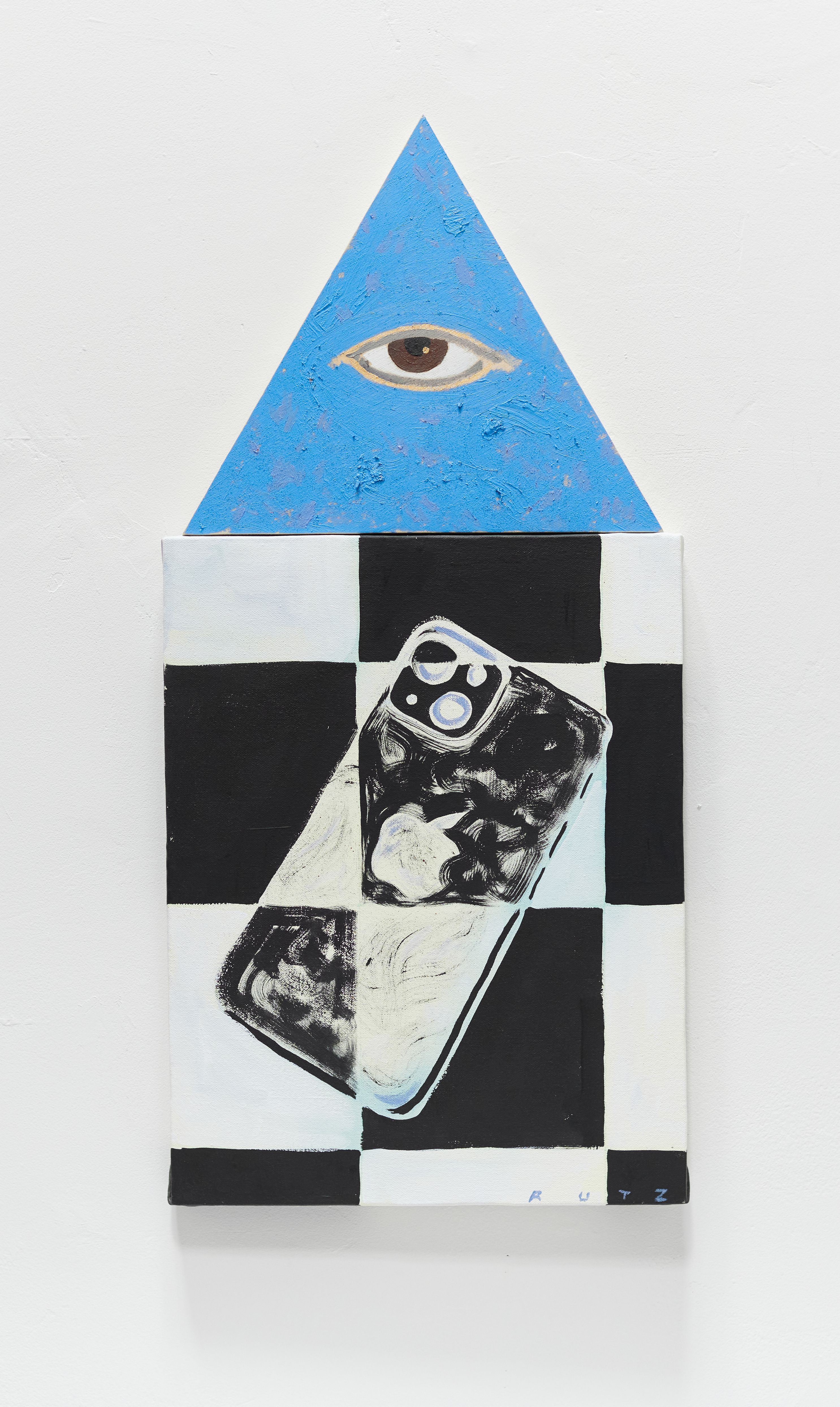
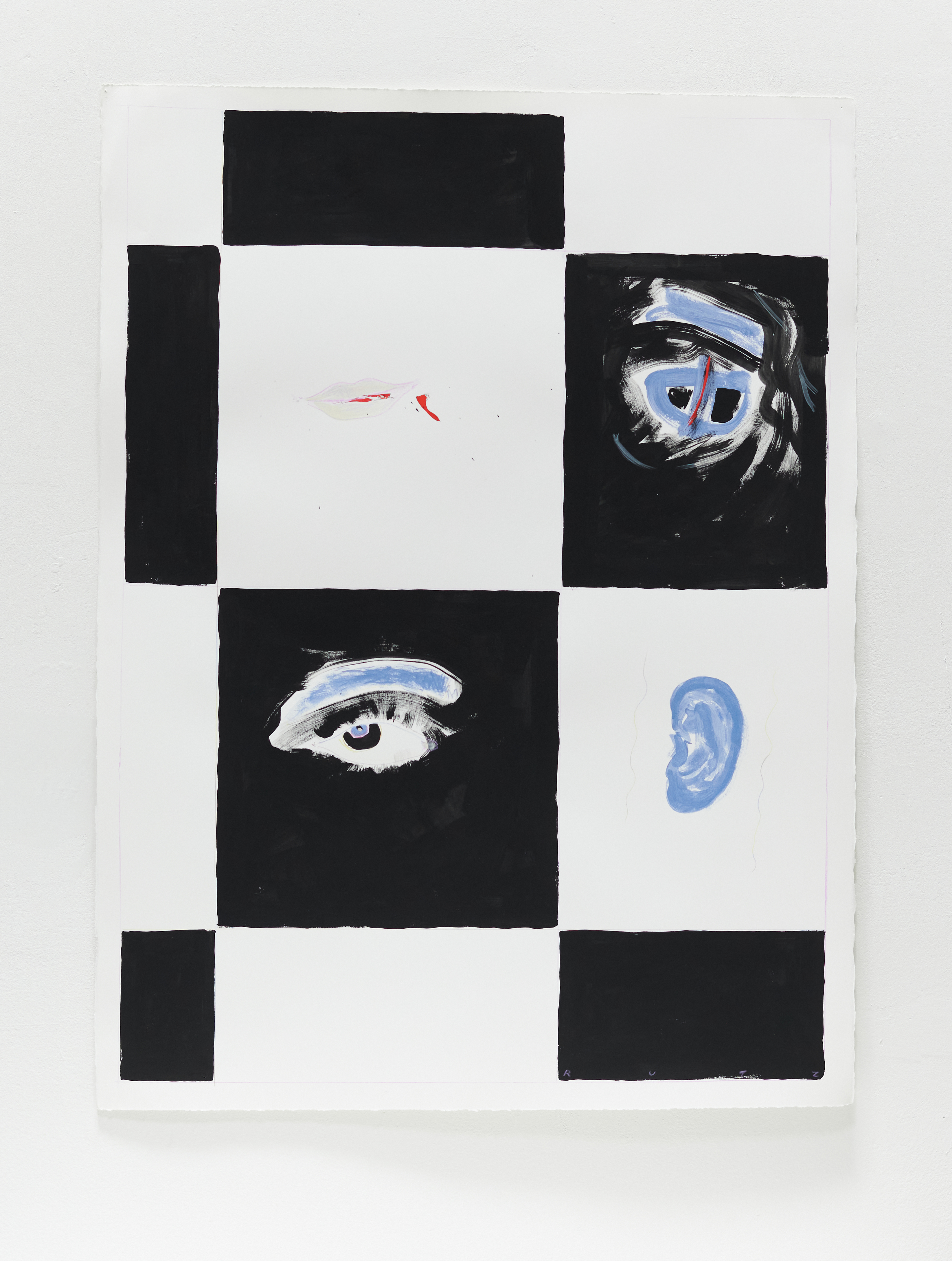
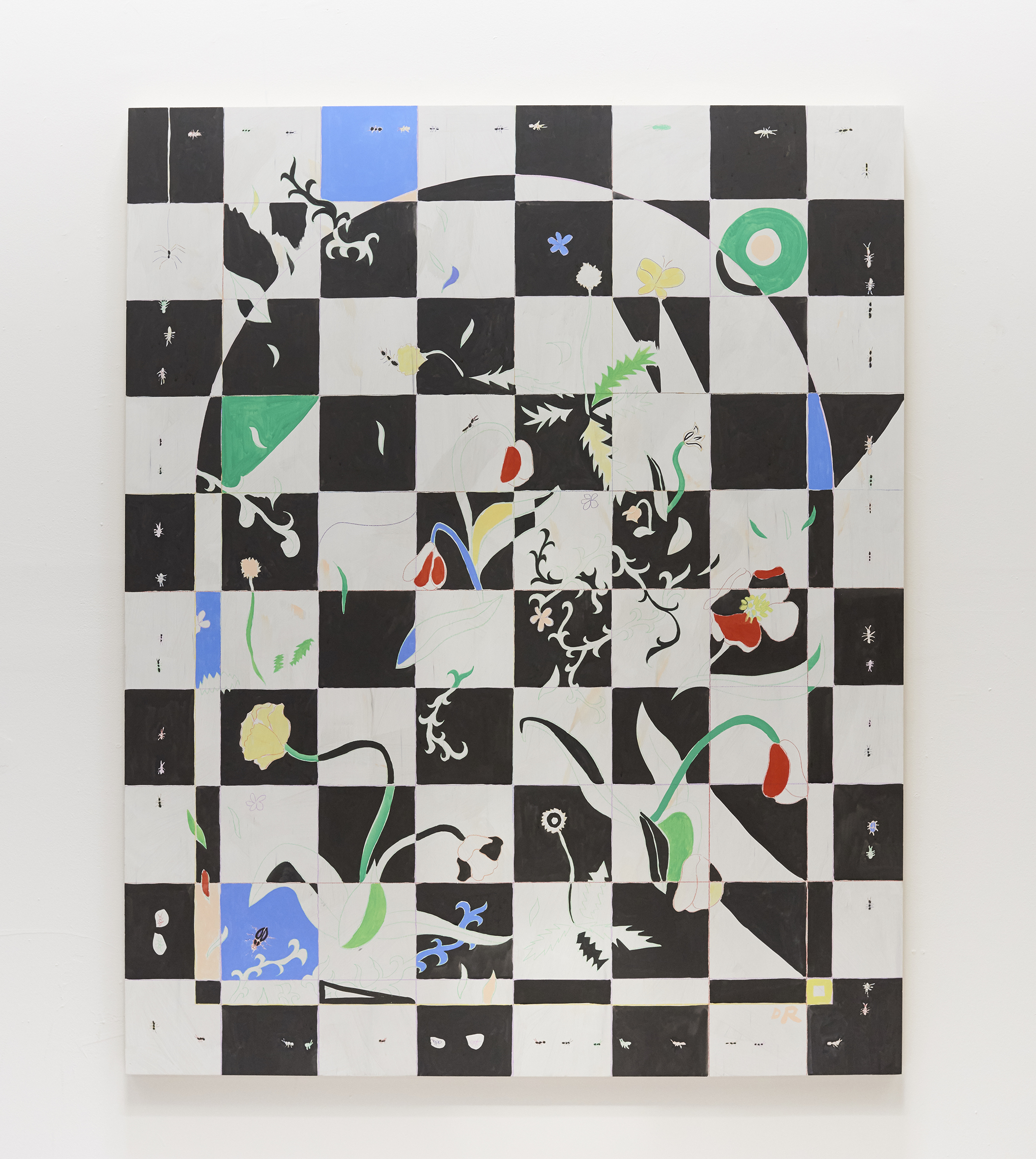
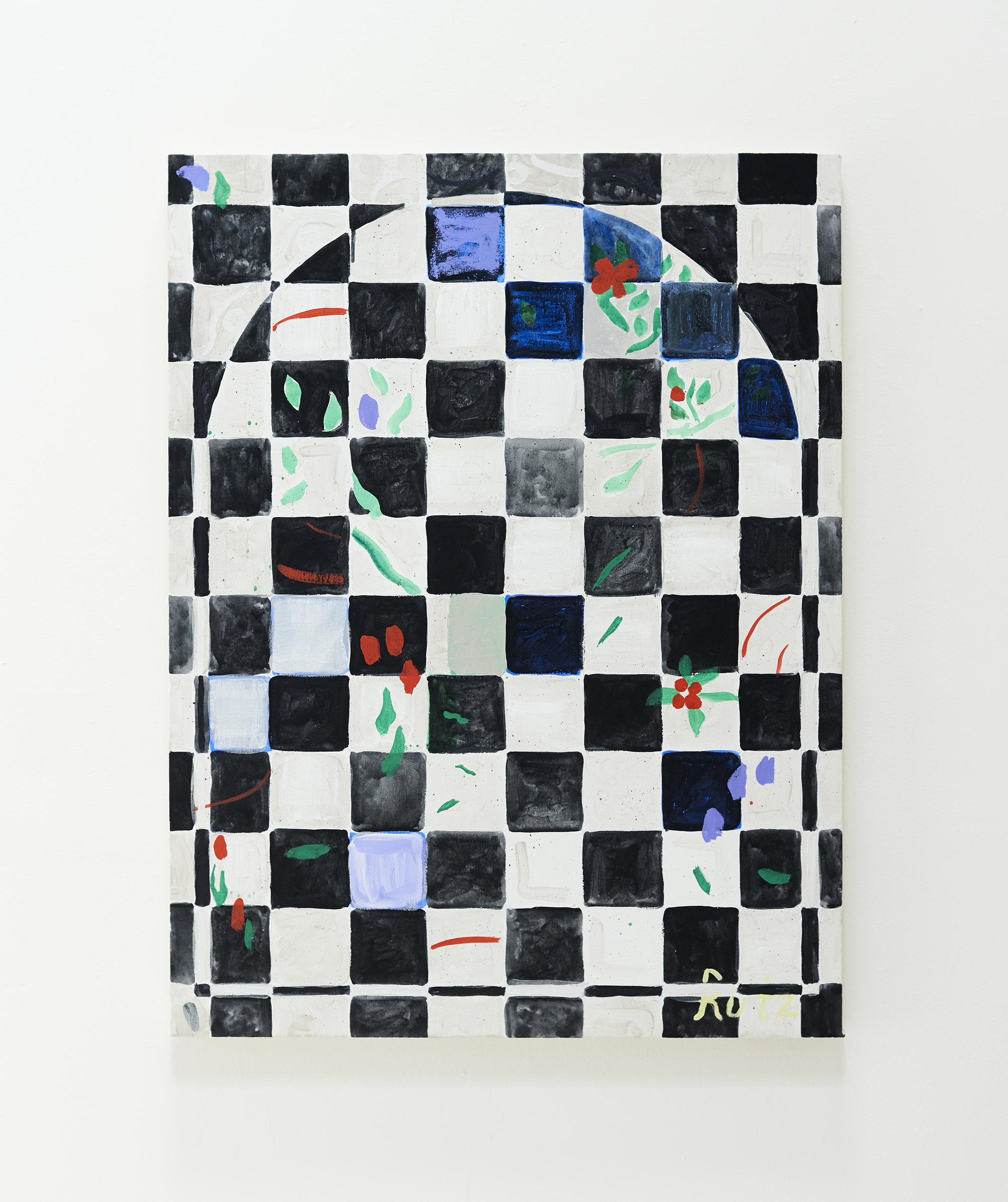
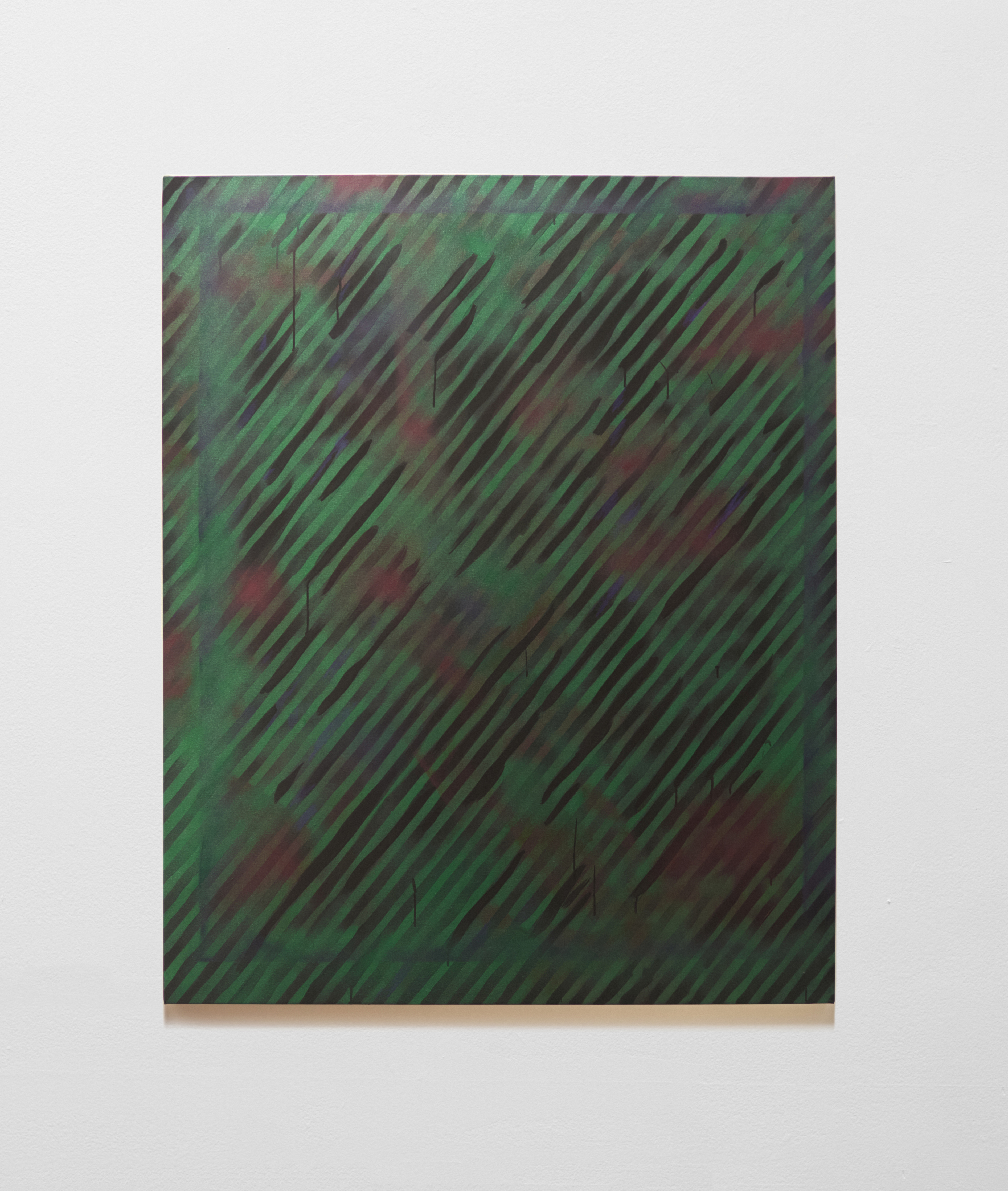
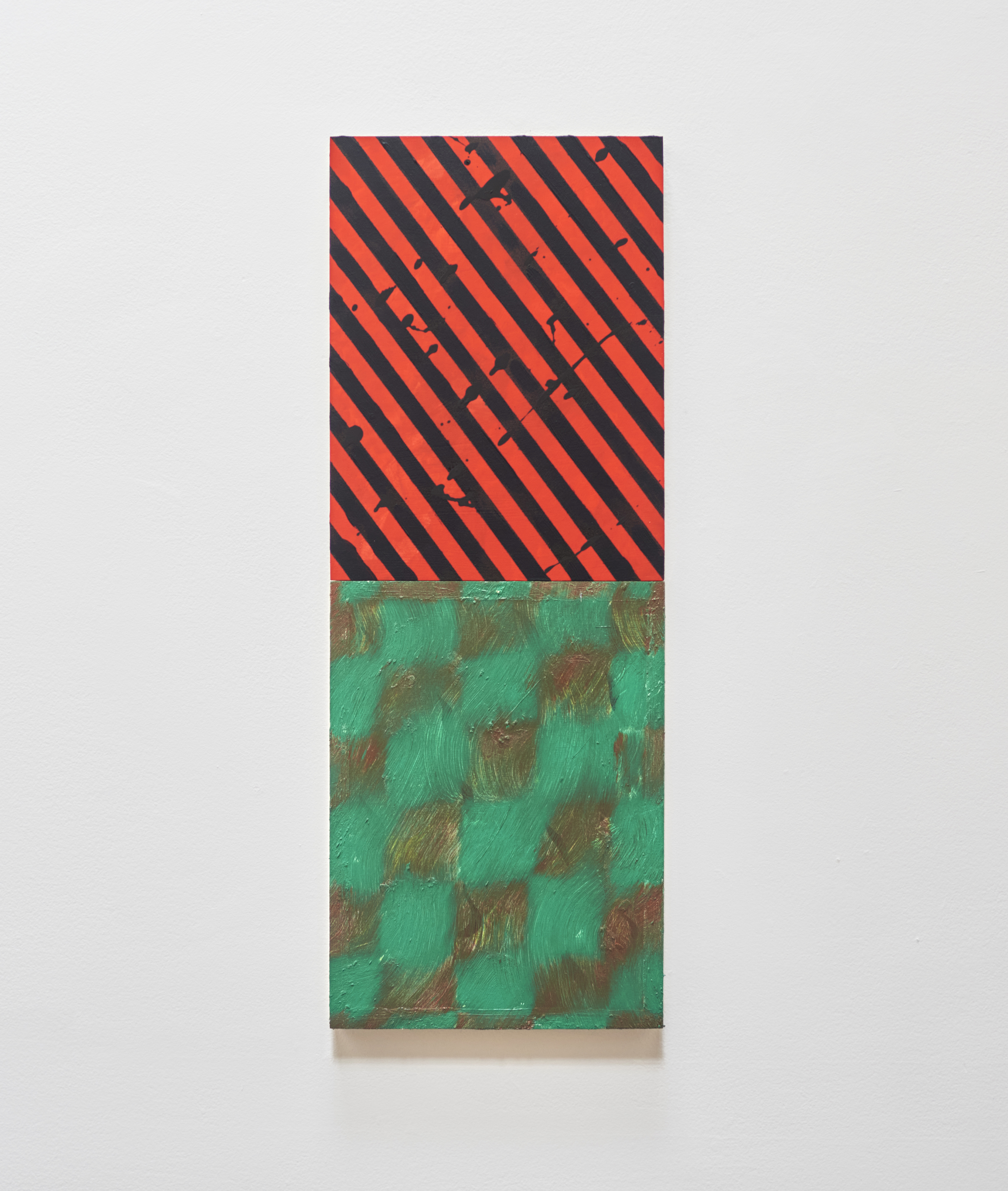
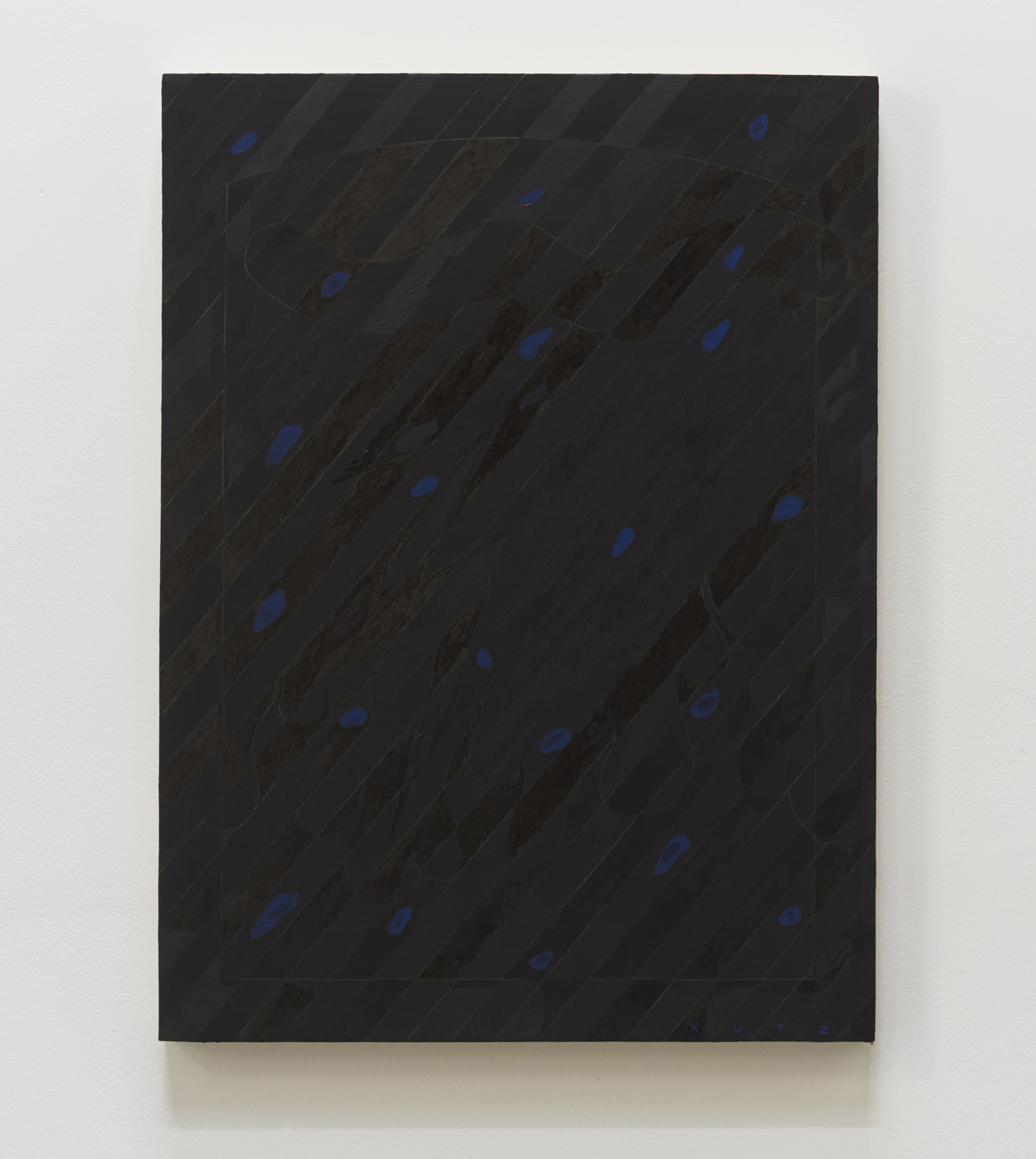
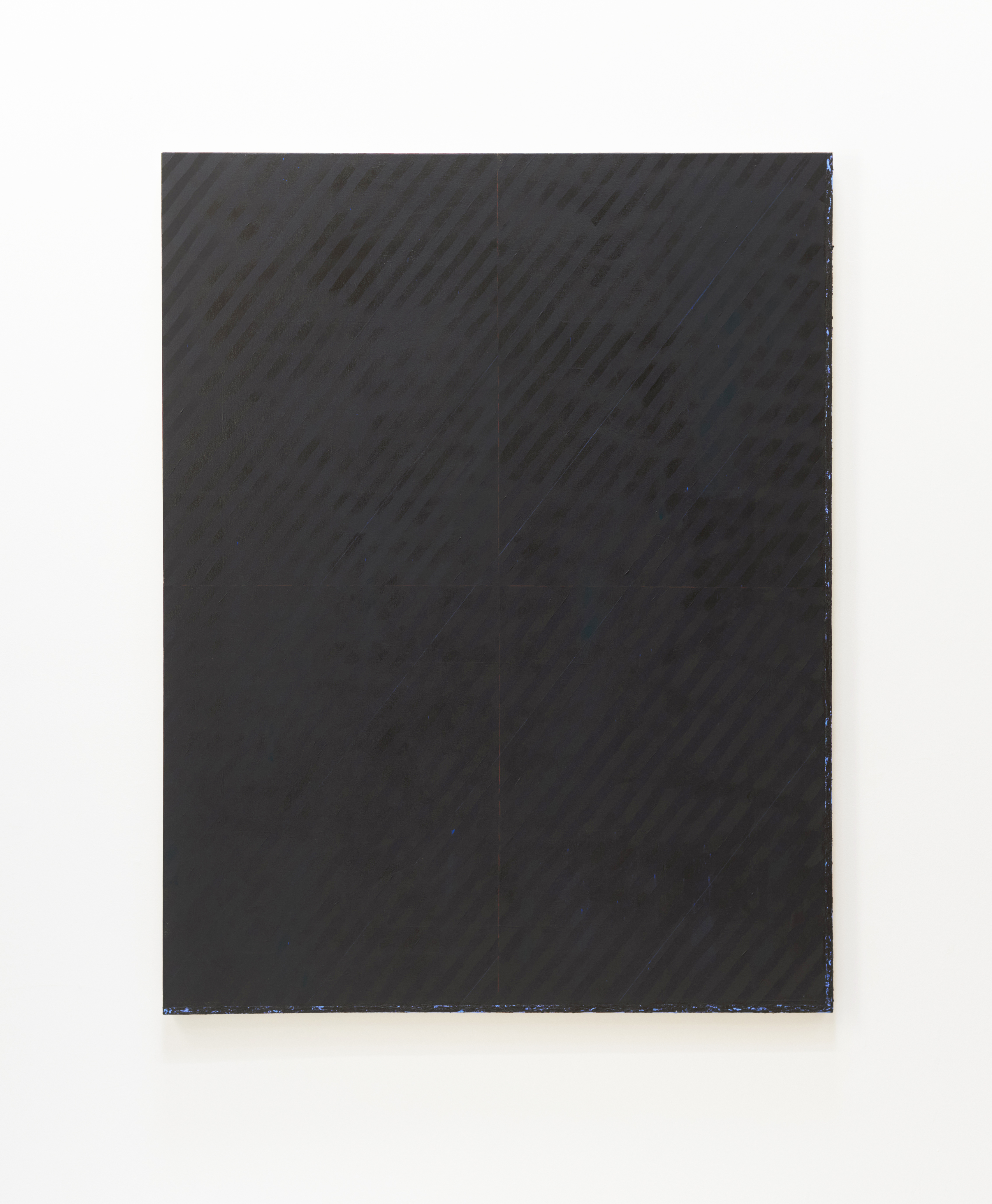
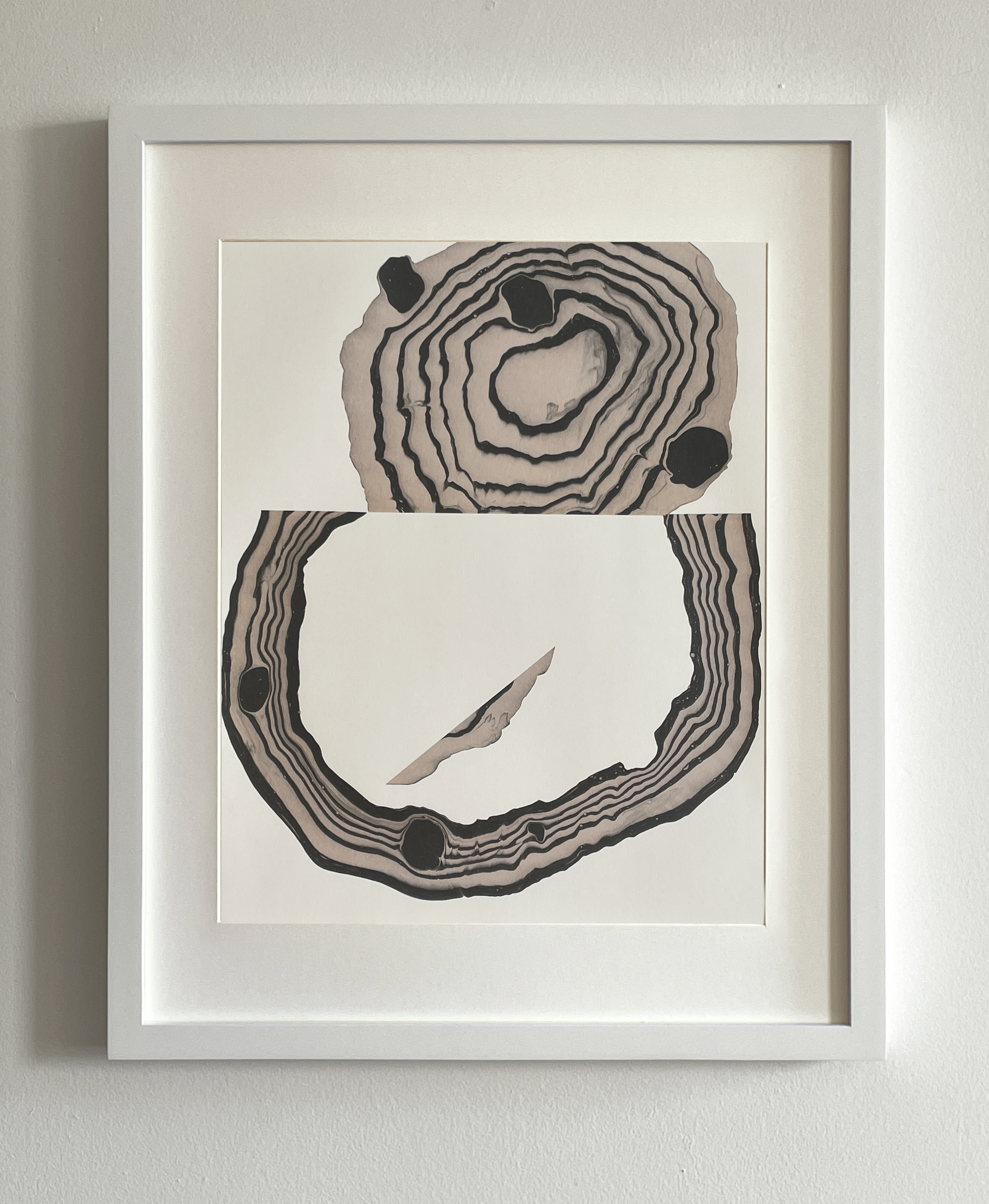
I like to think that these black and white pieces represent the duality of existence. How can we be whole without a dark side? Can we acknowledge it without indulging it? To be happy all the time would be impossible without struggle to put joy into perspective.




Visual Vibrations
Energy into Imagery
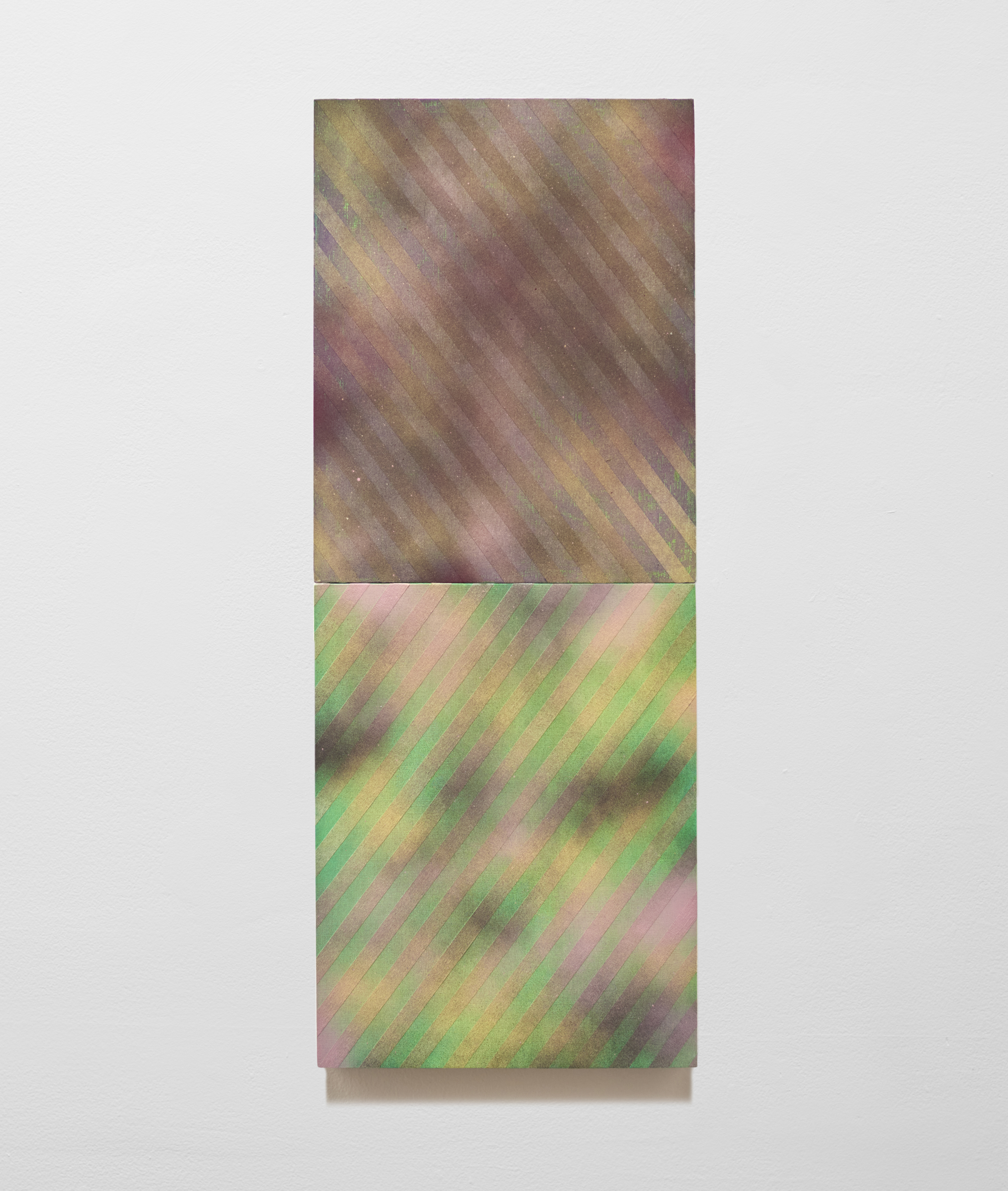
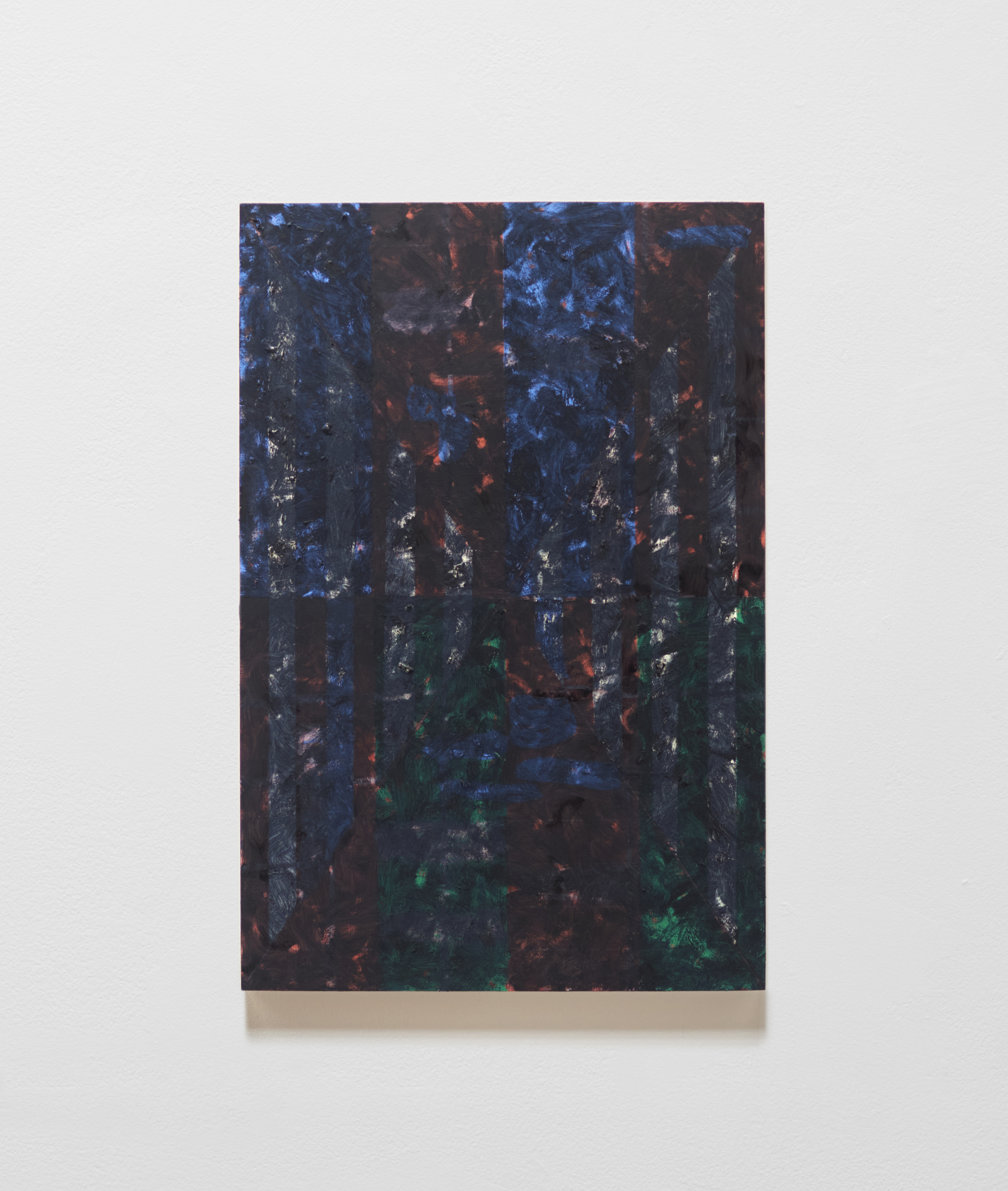
My practice centers on making subtle systems visible, forces that operate quietly beneath the surface of everyday experience. I am interested in how material processes can reveal tension, balance, and transformation without relying on overt representation. Rather than illustrating specific narratives, I use abstraction as a way to engage perception and invite sustained looking.
Duality plays a central role in my work. I am drawn to conditions where opposing forces coexist—order and chaos,control and chance, permanence and impermanence. These relationships are not problems to be resolved but states to be held simultaneously. Through material investigation and repetition, I seek moments where equilibrium emerges organically, shaped as much by process as by intention.
My approach is informed by an attentiveness to sensation and memory—how intangible experiences can register physically and emotionally. By working slowly and allowing materials to assert themselves, I create space for uncertainty and quiet observation. This slowness functions as both method and resistance, countering the speed and overstimulation of contemporary life.
Ultimately, my work aims to create moments of pause that encourage viewers to reconsider how meaning forms through subtle interaction rather than dominance or spectacle. By foregrounding process, tension, and restraint, I hope to foster a deeper awareness of the fragile systems—material and experiential—that shape how we perceive and inhabit the world.
Duality plays a central role in my work. I am drawn to conditions where opposing forces coexist—order and chaos,control and chance, permanence and impermanence. These relationships are not problems to be resolved but states to be held simultaneously. Through material investigation and repetition, I seek moments where equilibrium emerges organically, shaped as much by process as by intention.
My approach is informed by an attentiveness to sensation and memory—how intangible experiences can register physically and emotionally. By working slowly and allowing materials to assert themselves, I create space for uncertainty and quiet observation. This slowness functions as both method and resistance, countering the speed and overstimulation of contemporary life.
Ultimately, my work aims to create moments of pause that encourage viewers to reconsider how meaning forms through subtle interaction rather than dominance or spectacle. By foregrounding process, tension, and restraint, I hope to foster a deeper awareness of the fragile systems—material and experiential—that shape how we perceive and inhabit the world.

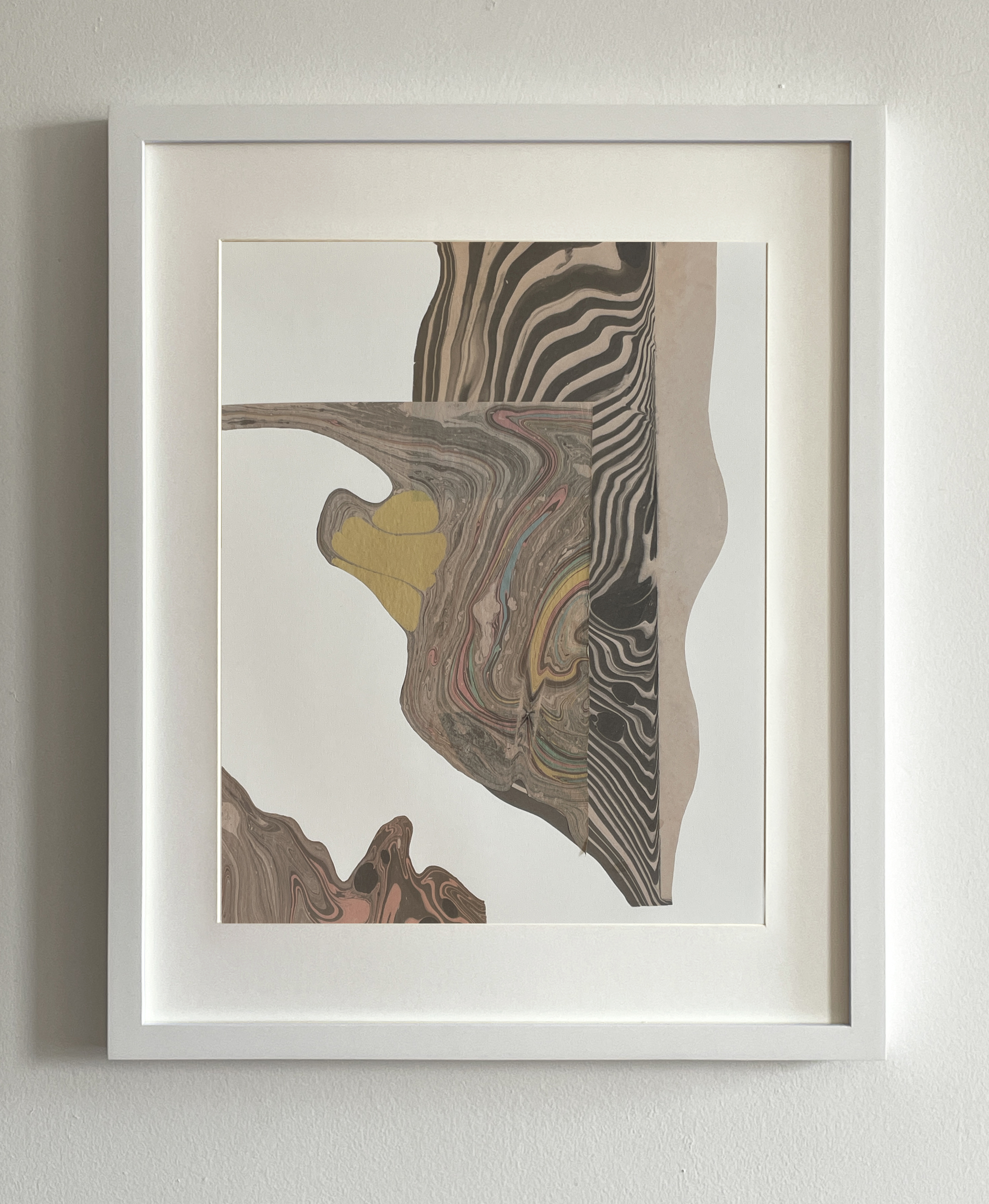
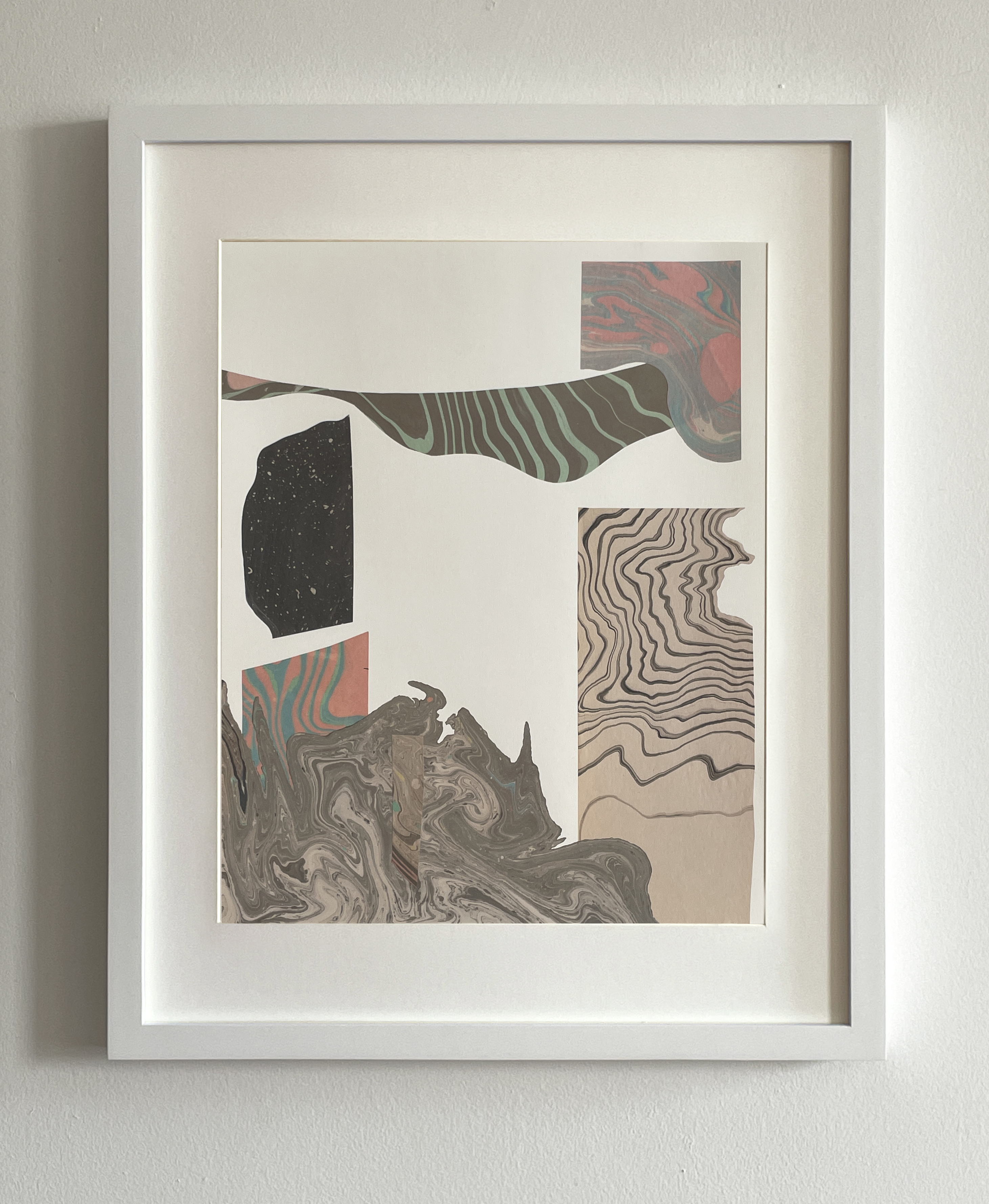
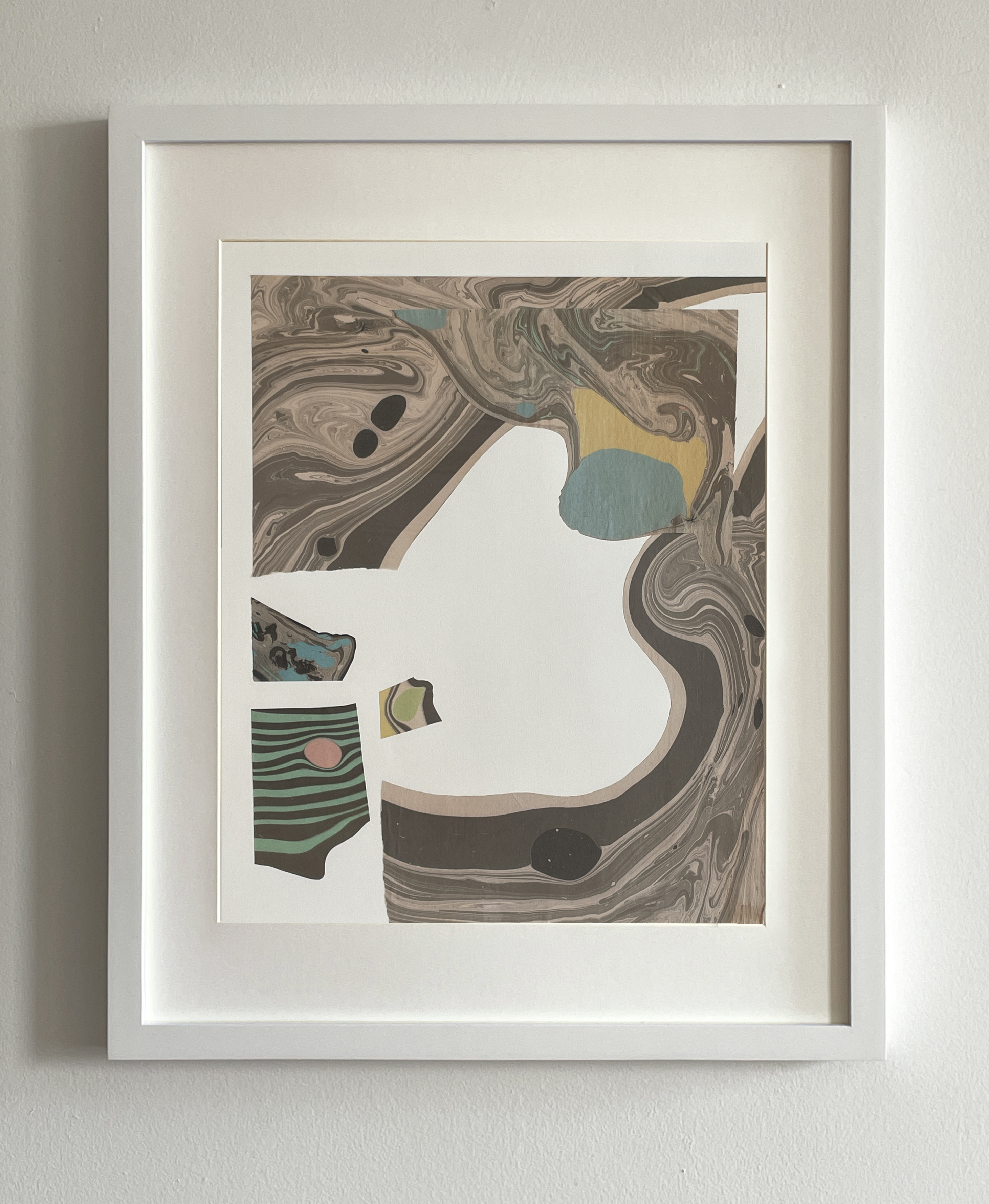
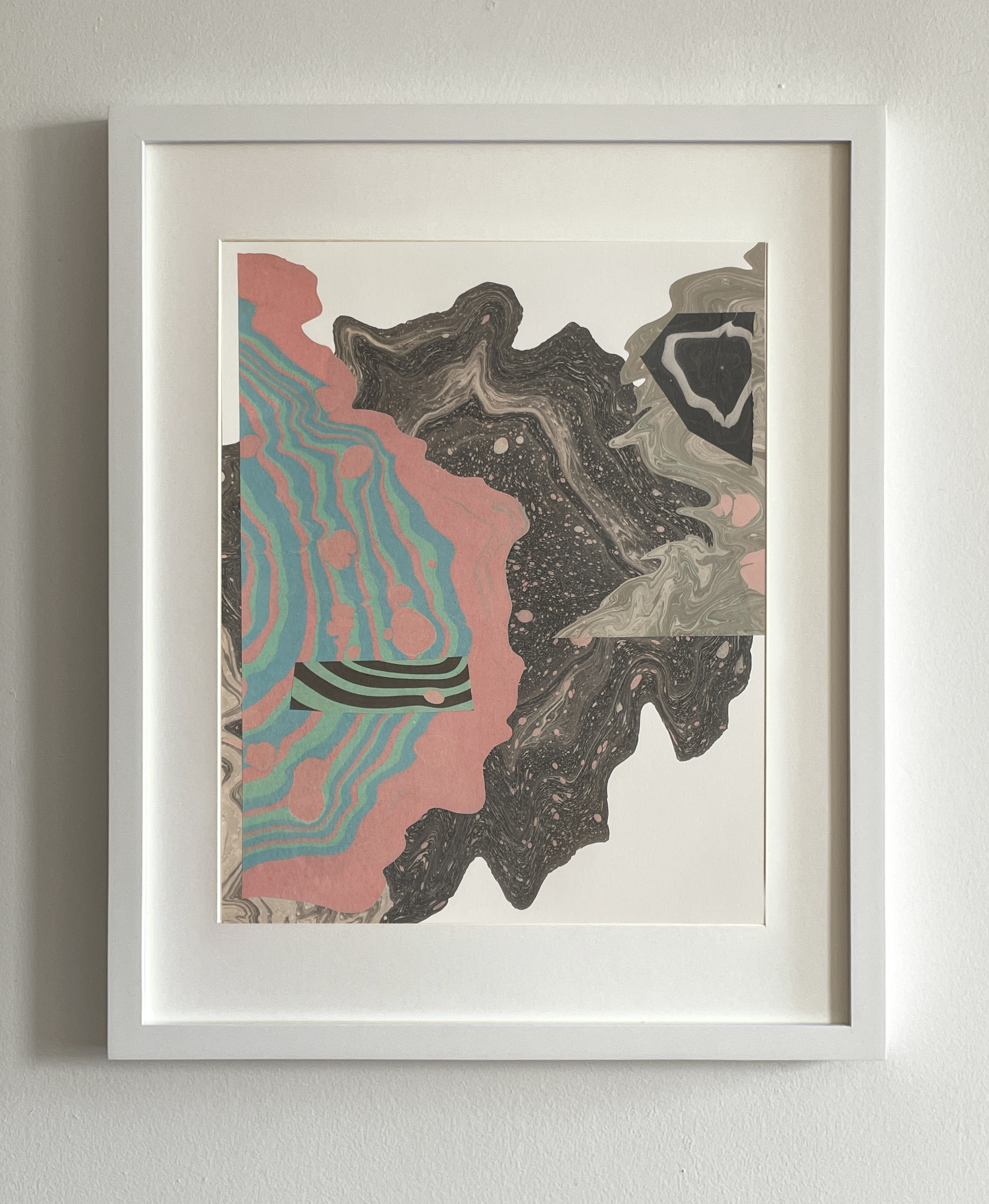

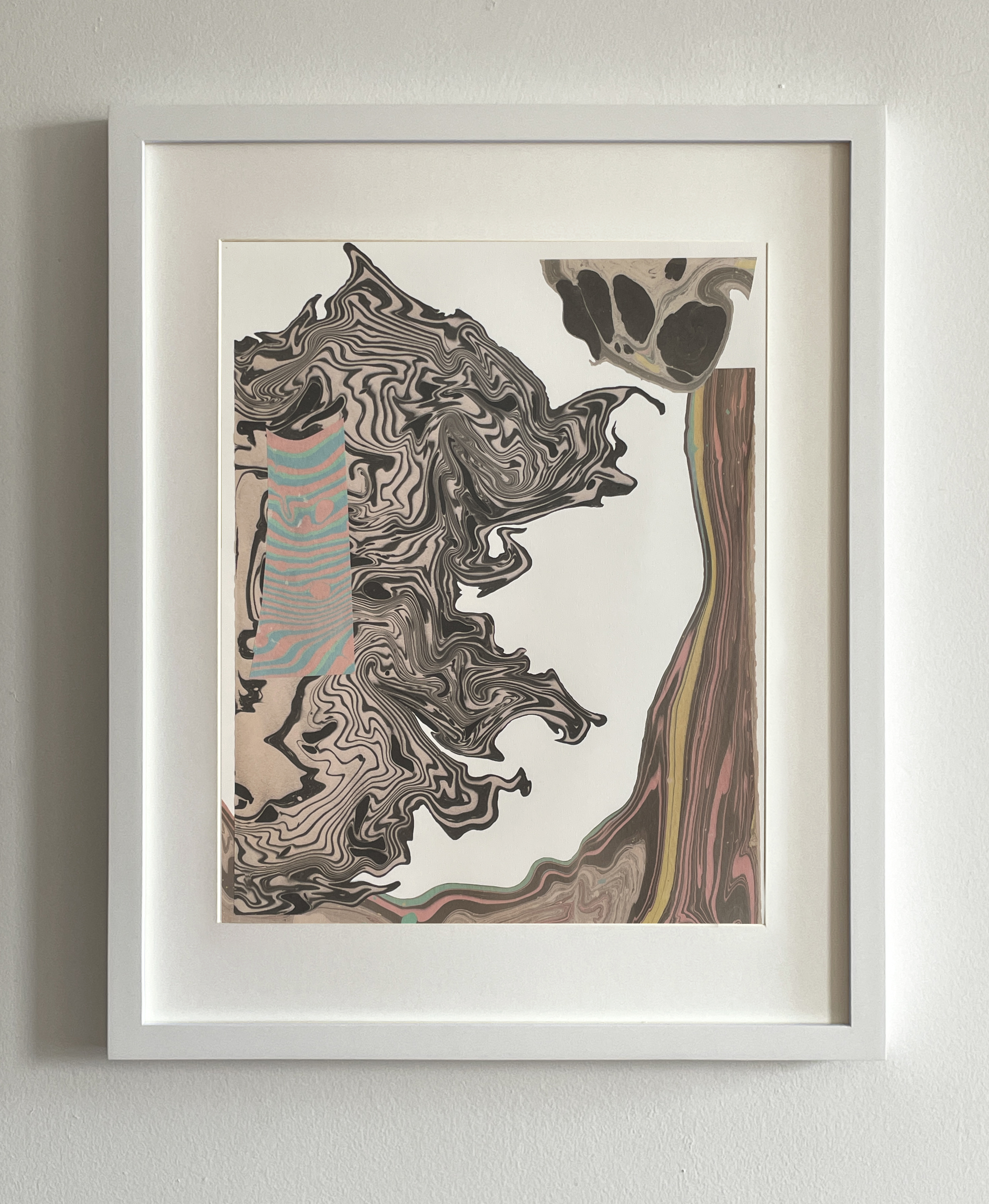
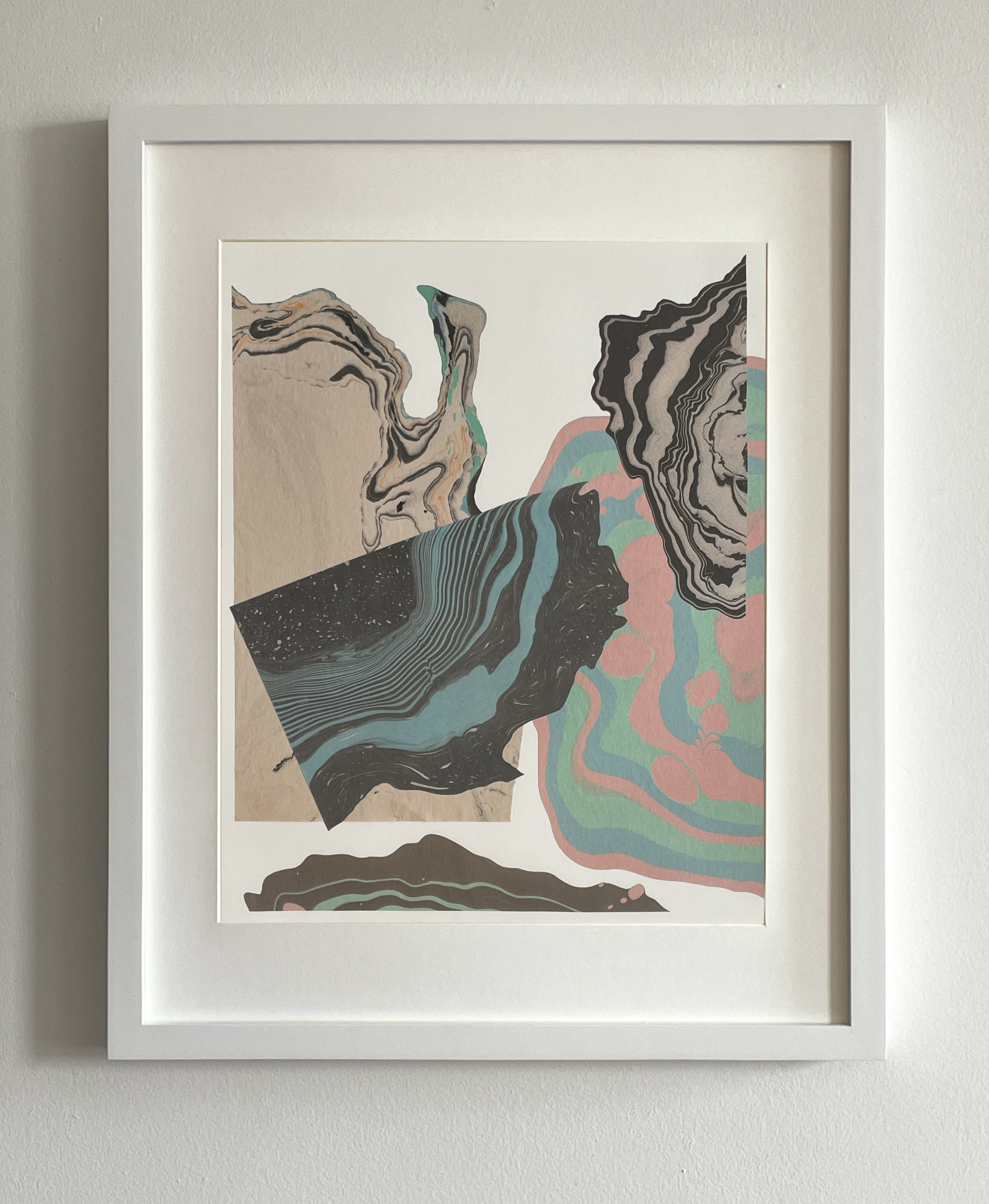


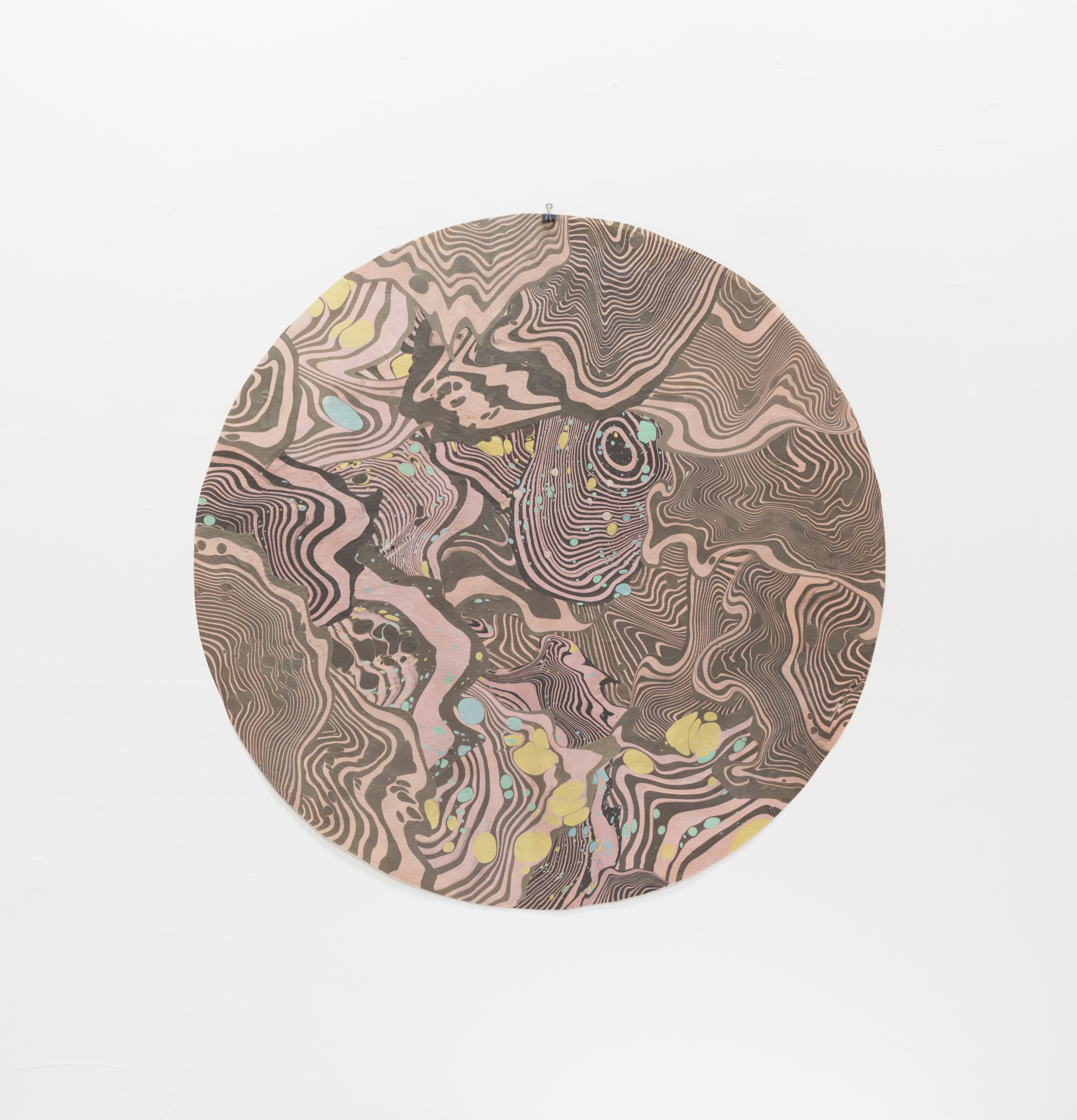

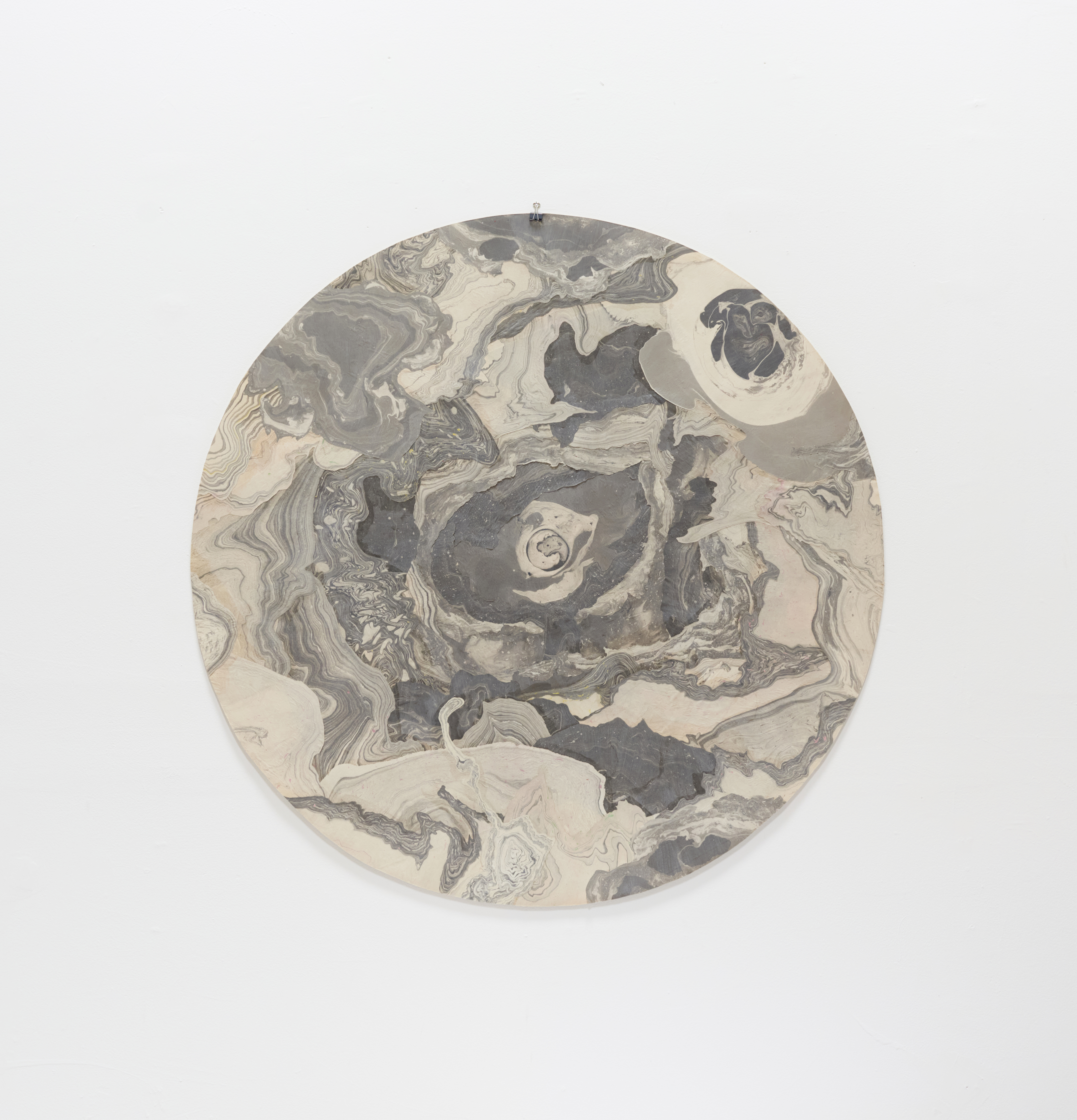
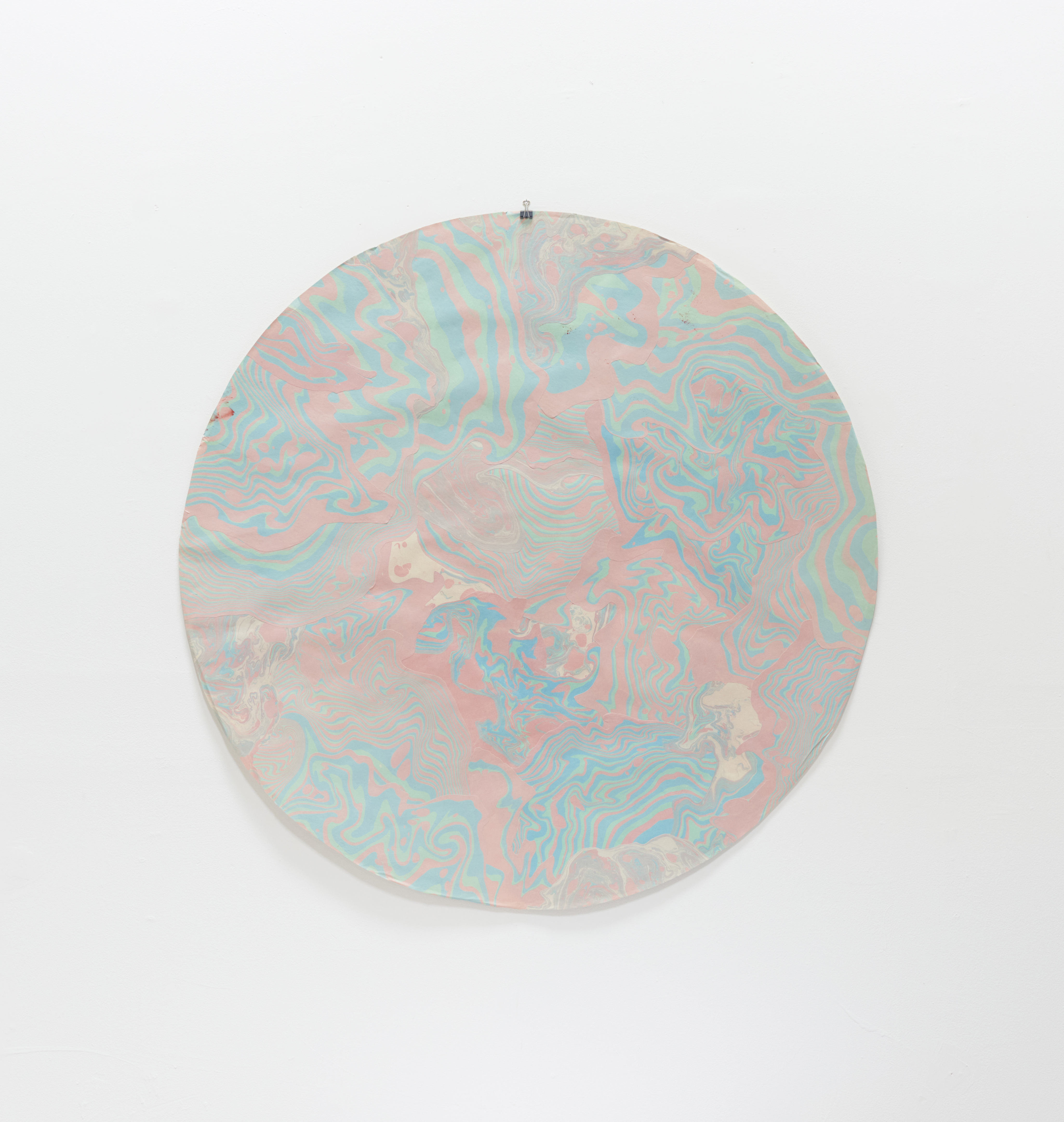

Cosmic Collage
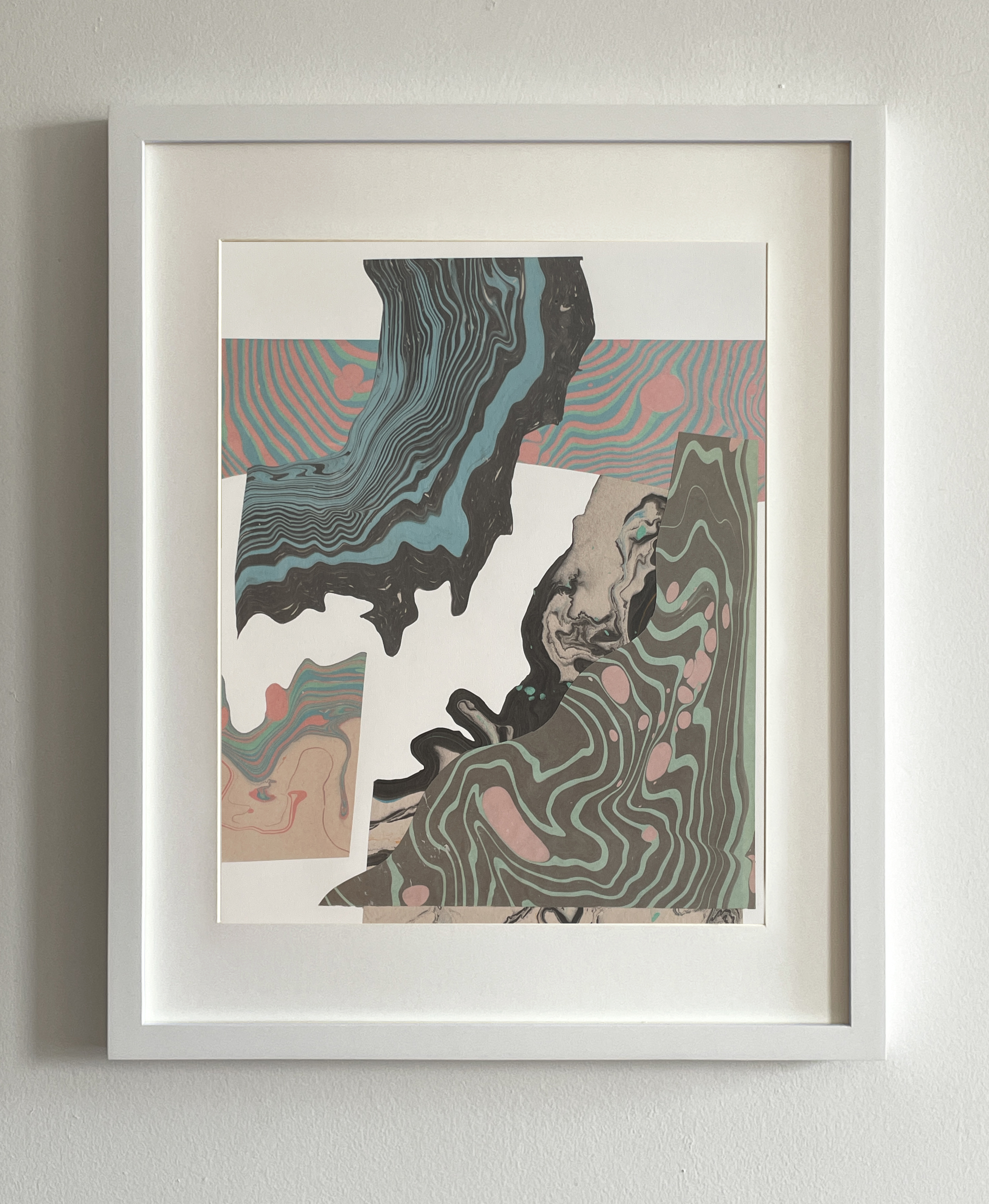
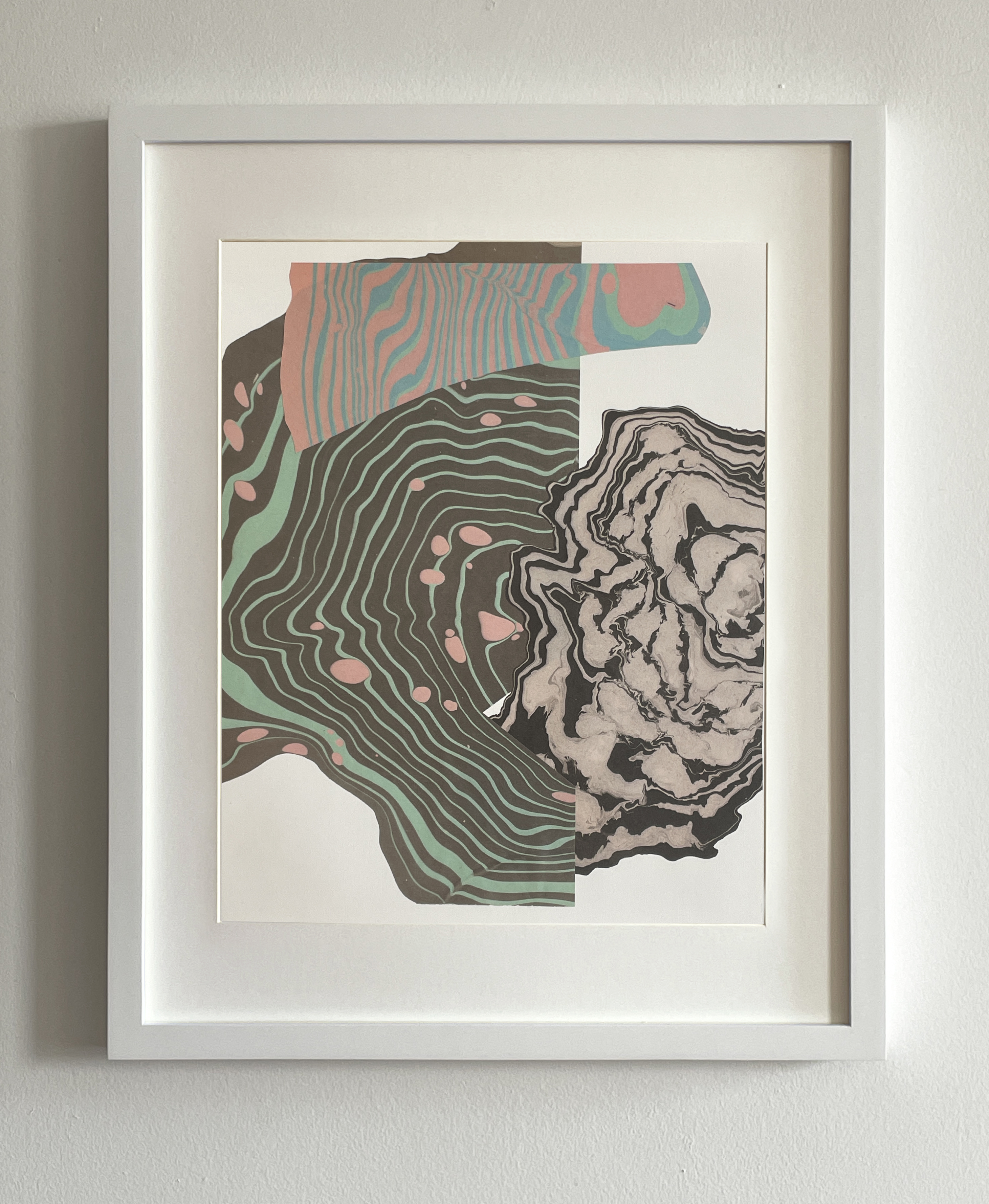
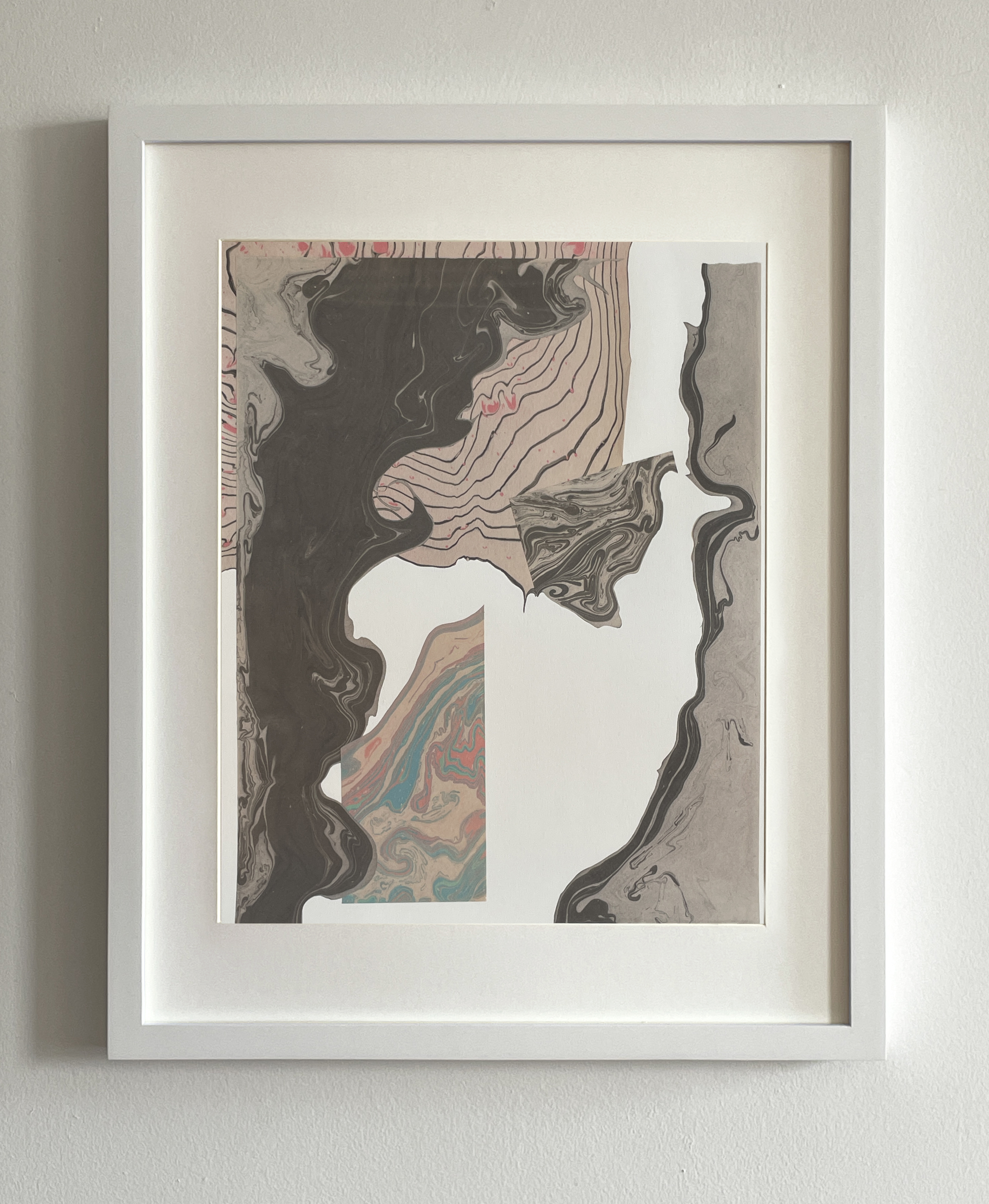
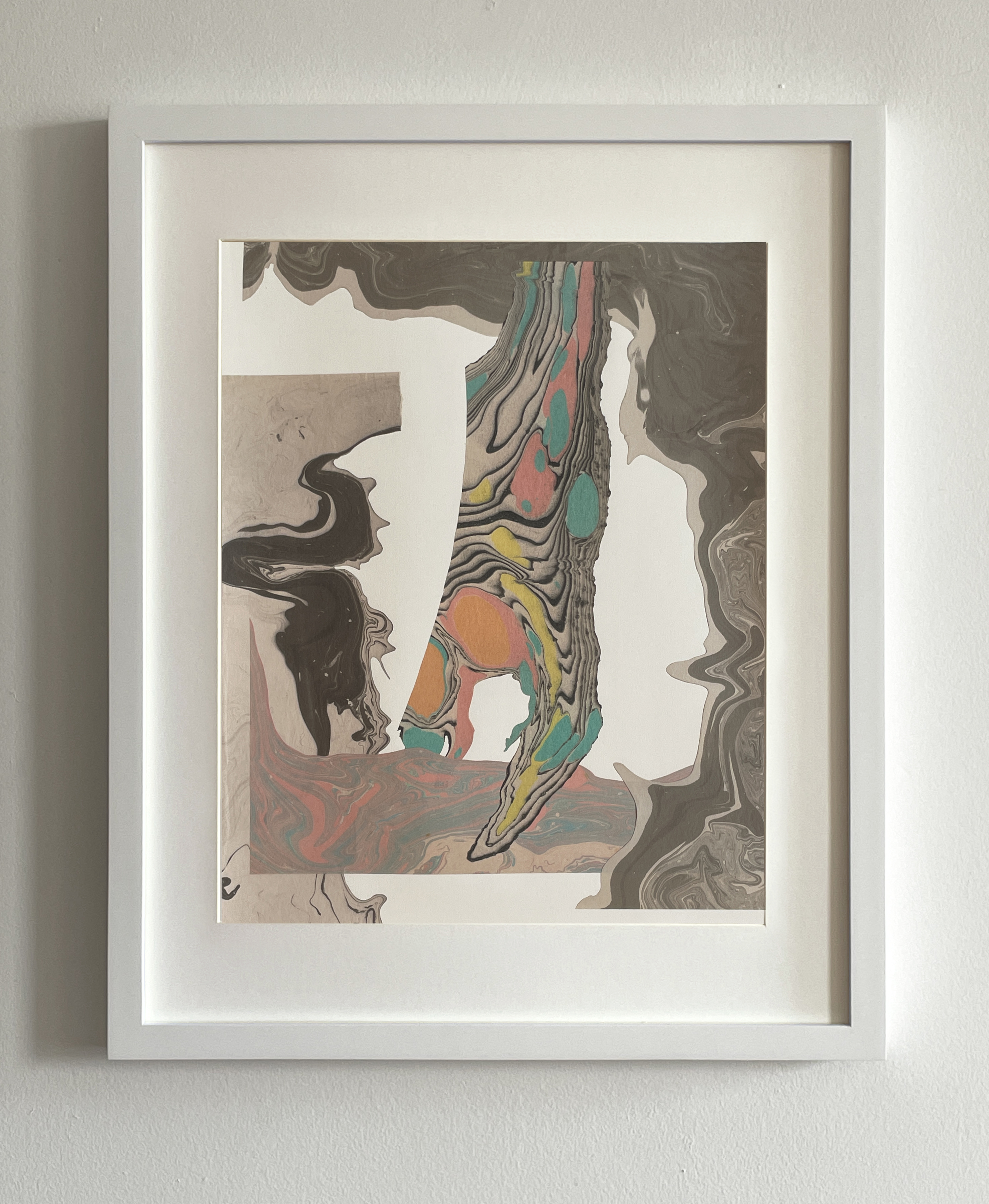
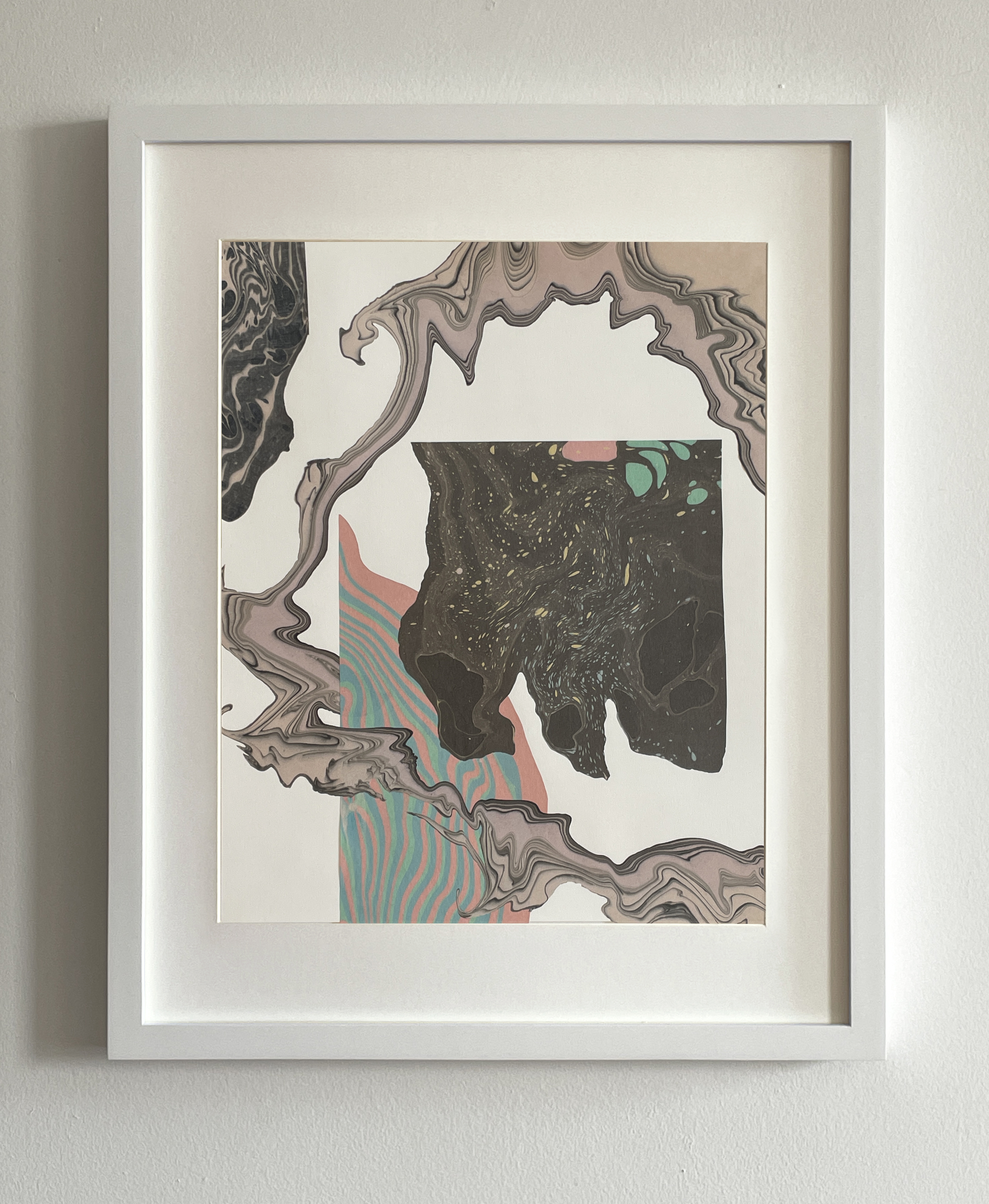
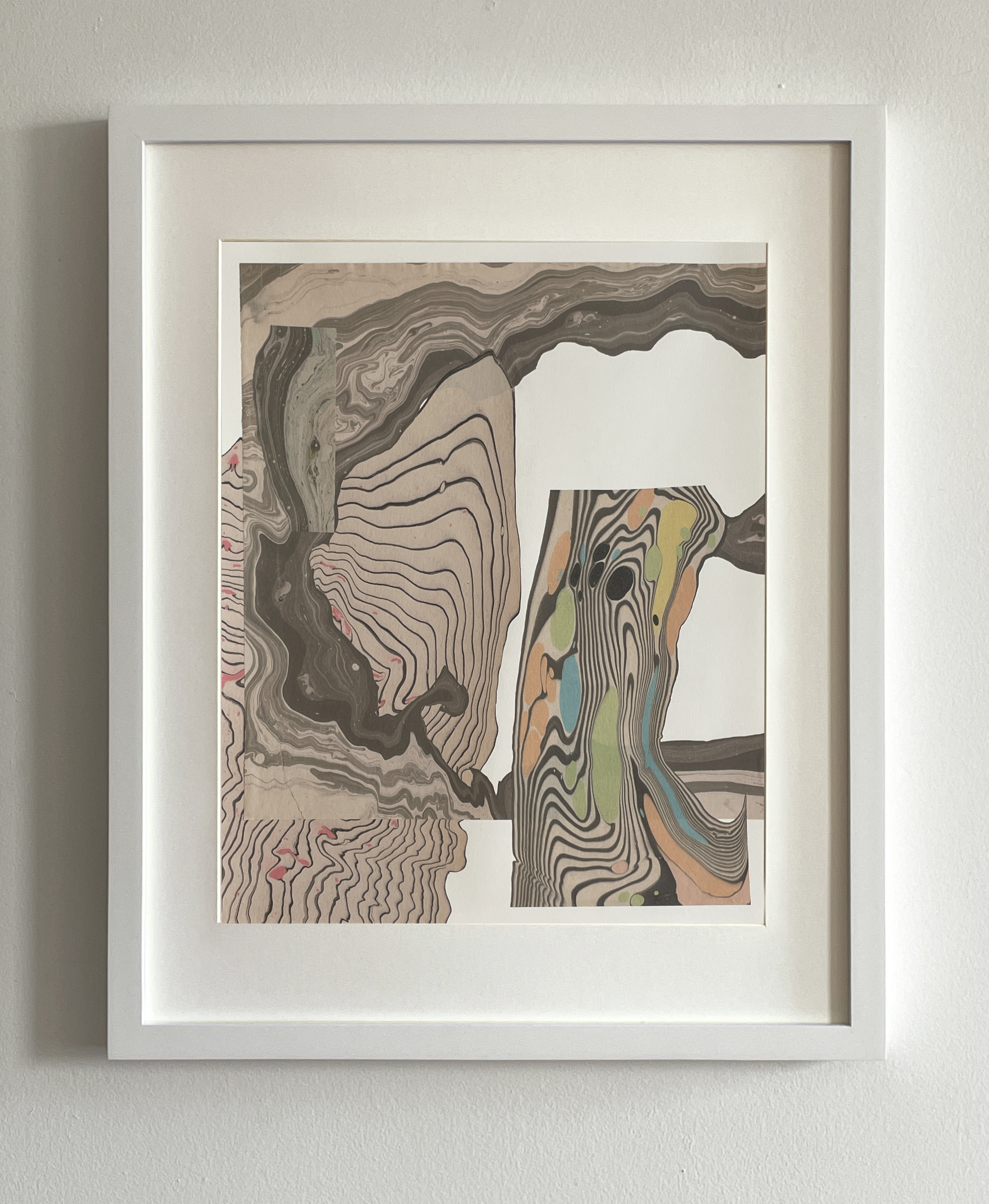
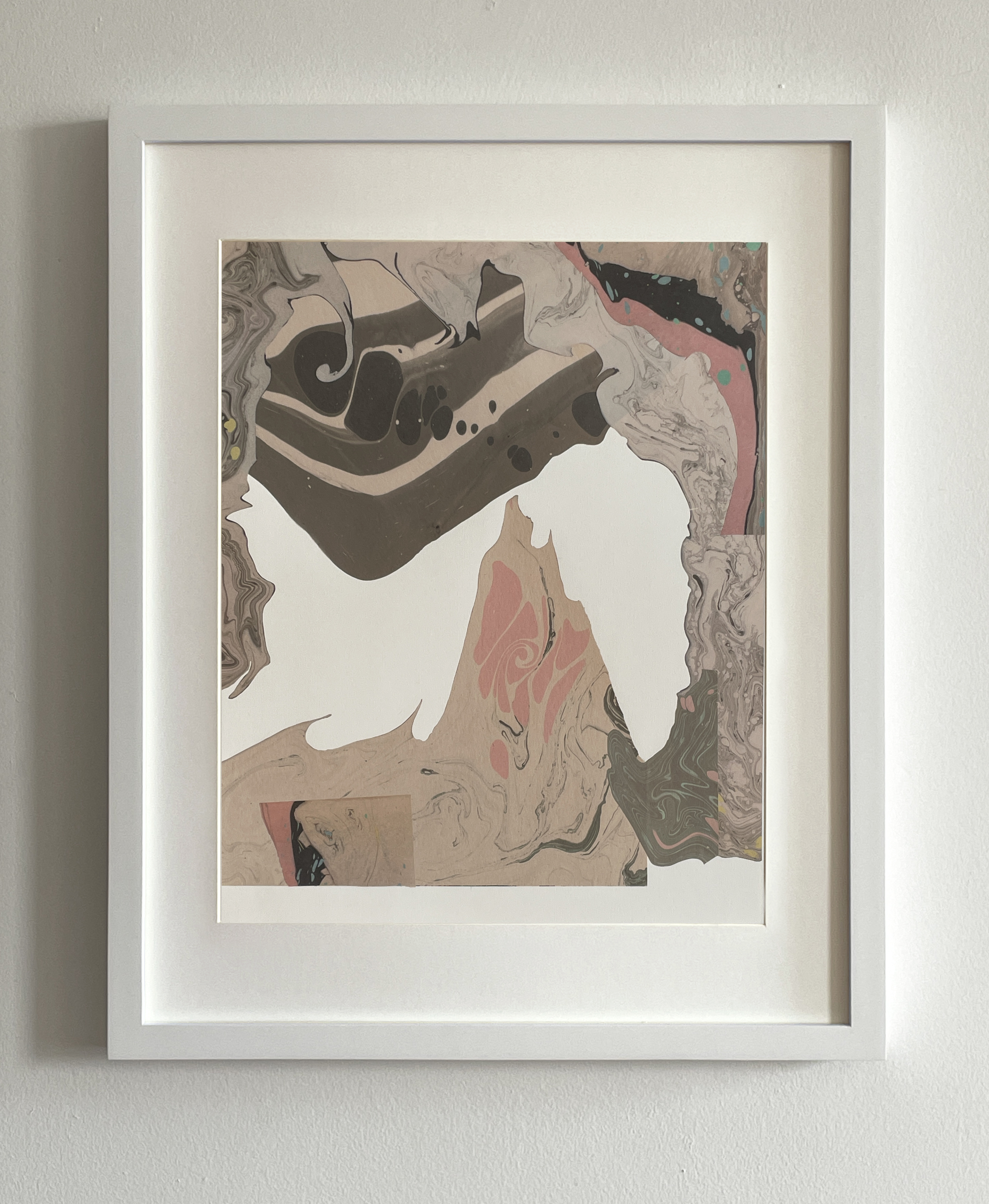
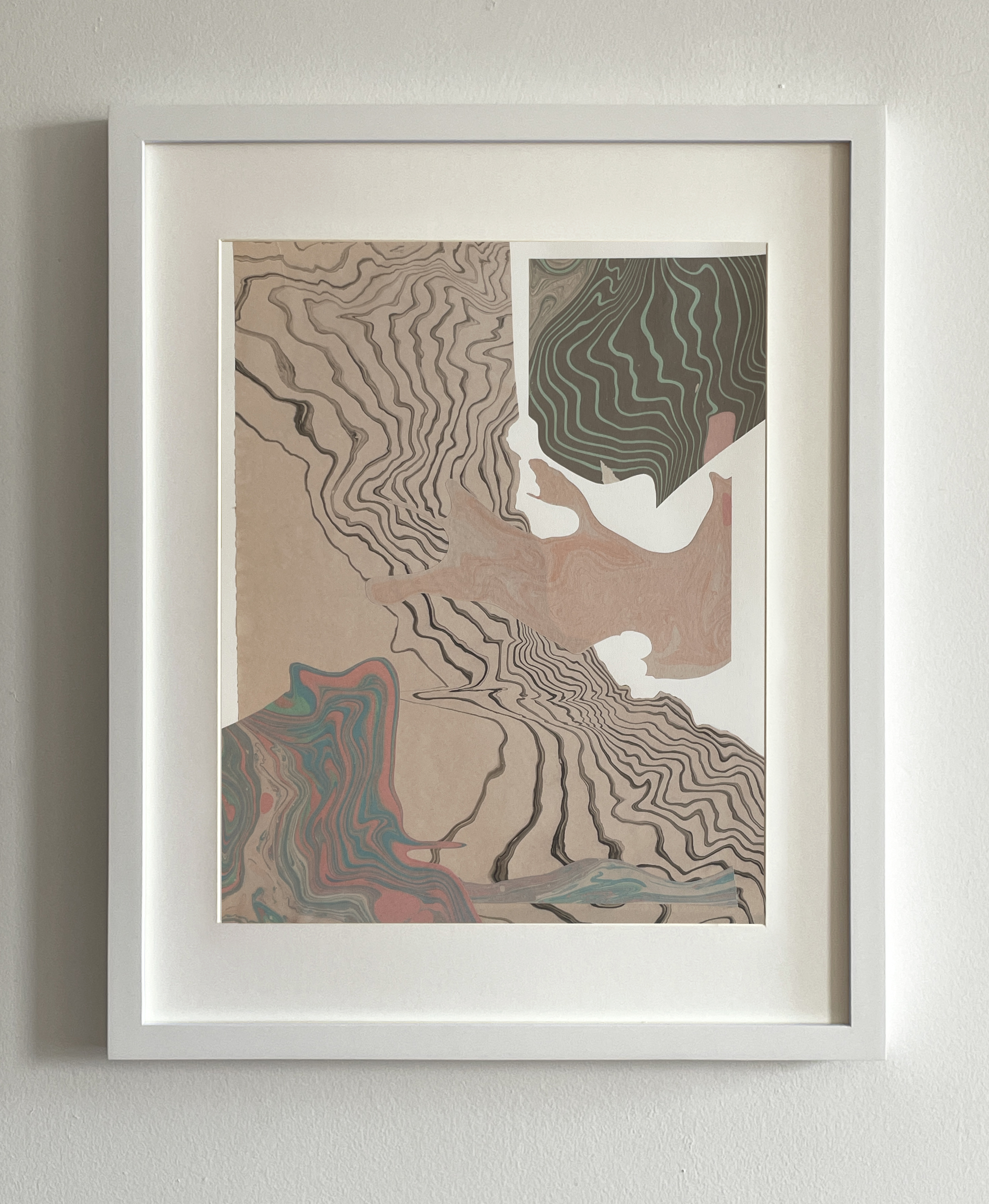
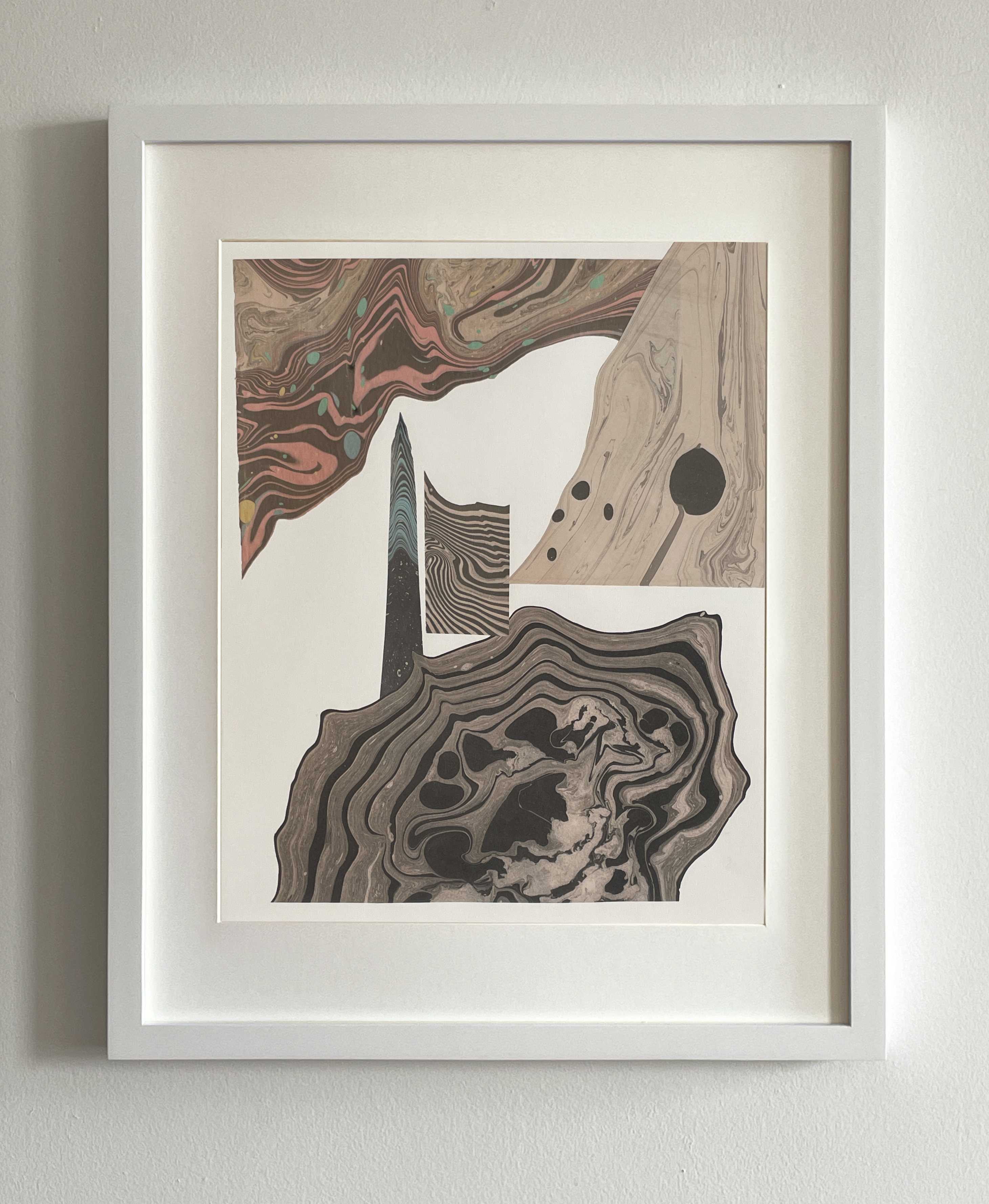
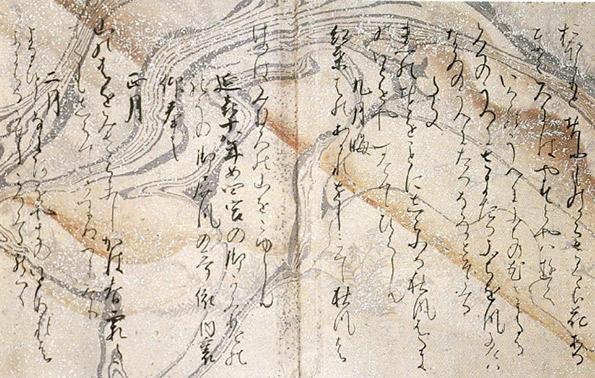 Japanese decorative paper techniques using kozo fiber paper and sumi ink.
“Currently the oldest suminagashi sample dates from the twelfth century, although references to the technique go back to as early as 825–880 c.e. in the poetry of Shigeharu. Suminagashi is often translated as "floating ink." It has been used for various crafts including not only paper but fabrics, metal, and ceramics.”
- Jae Carey, The Metropolitian Museum of Art, 2014
As an artist, I aim to illuminate subtle forces that often go unnoticed, systems that exist beneath the surface of everyday experience. The work samples attached are part of a larger body of work that emerged from this inquiry, using material process to make invisible tensions visible.
I began making paper prints out of necessity while between studios in my former NYC apartment. During this period of experimentation, I discovered an ancient Japanese printmaking technique called Suminagashi, meaning “floating ink.”Working with a partially filled bathtub, I floated ink across the water’s surface, revealing the tension where liquid meets air. Shaped by gravity, movement, and chance, these patterns exposed systems that are always present but rarely observed. Laying paper onto the surface, these interactions were transferred directly into the material, creating prints that function as records of fleeting conditions.
I refined this process further, by cutting away excess material using an X-acto knife, carefully following the internal rhythms of the imagery. Exploring the range of visual language produced, these cut elements were layered into collages, preserving the integrity of each print while allowing new structures to emerge. This approach draws from the legacy of cut-paper abstraction, guided by material sensitivity and process-driven decision-making.